





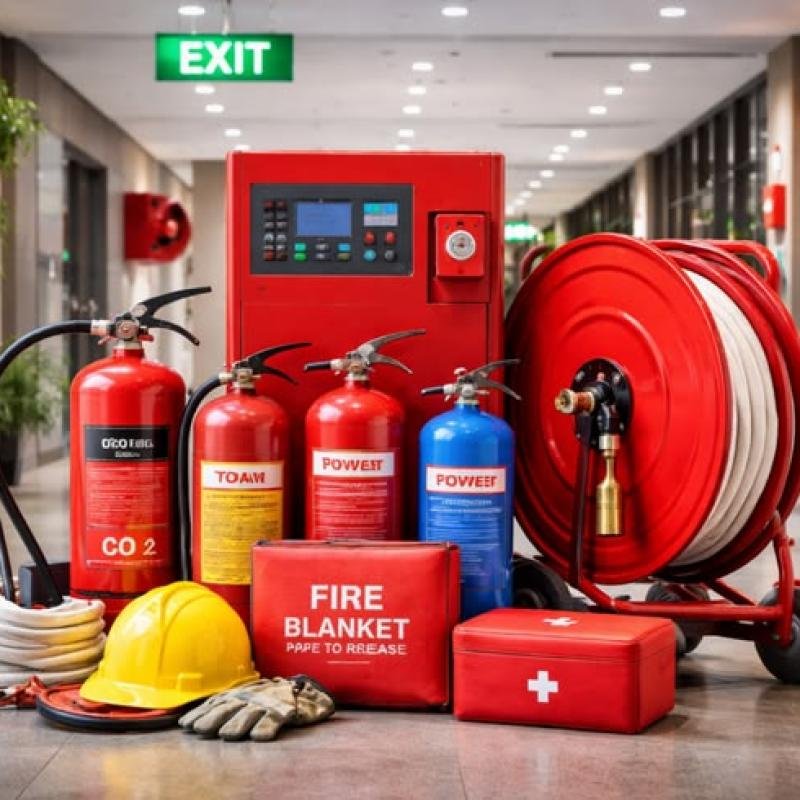
Ventilation and Smoke Extraction Systems
Welcome to Active Guard
Active Guard Safety Company welcomes you. We provide integrated solutions for fire safety and environmental control.
How Ventilation Systems Work with Fire Alarms
(Video demonstrating the operation of HVAC and smoke extraction systems and their integration with fire alarm systems)
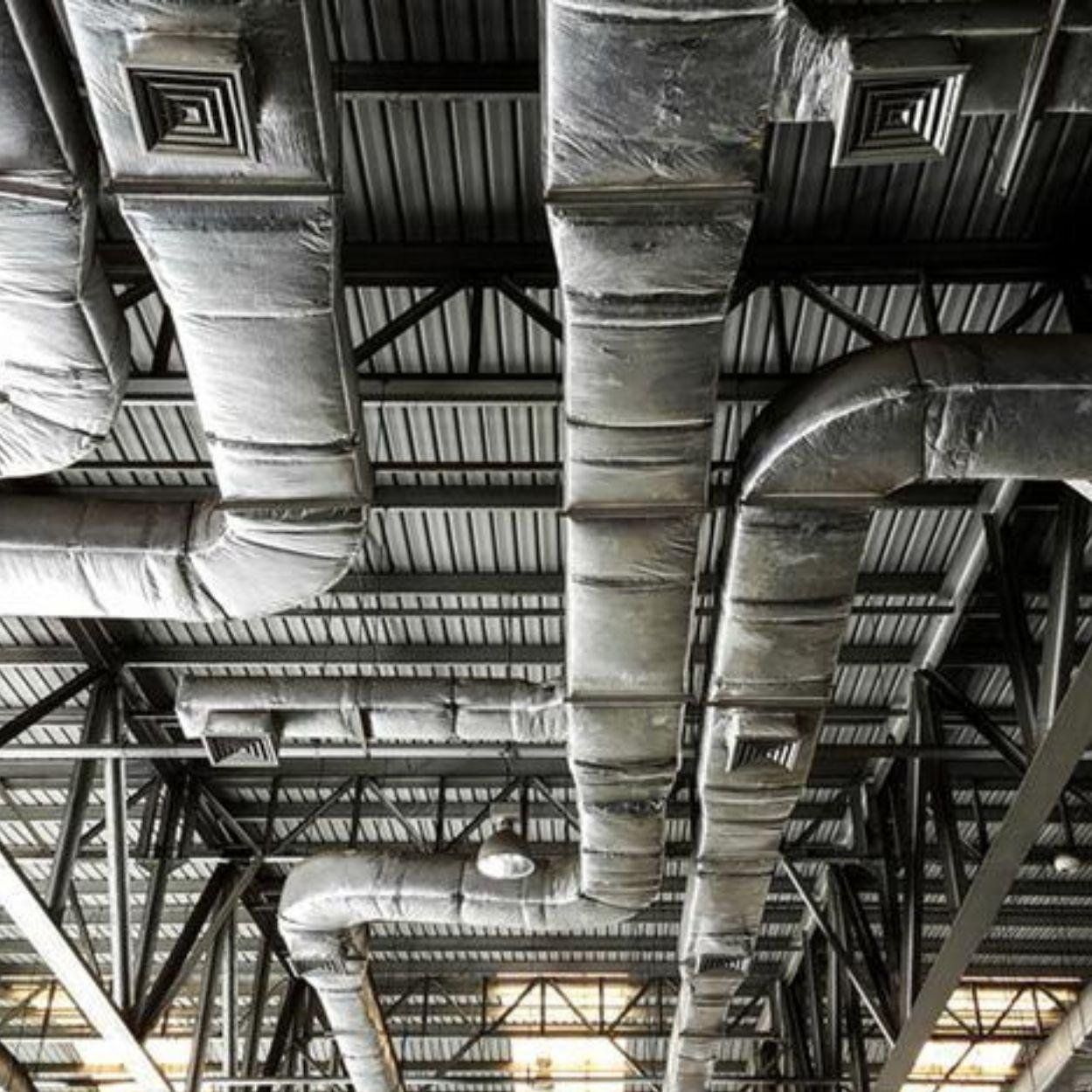
Integrating Alarm Systems with HVAC and Smoke Extraction
The primary reason for integrating a fire alarm system with the HVAC (Heating, Ventilation, and Air Conditioning) and smoke extraction systems in any building is to maintain strict control over the spread of smoke. This integration prevents smoke from moving from the fire source to other floors or zones within or outside the building.
While standard building codes and installation manuals address this issue, much of the actual "coordination" is often left to installation contractors. These contractors may face integration challenges they have little control over or—worst of all—lack the appropriate budget for.
It is vital to remember that the engineers involved in designing these two systems bear the responsibility for proper design. Coordination during the design phase ensures a much smoother implementation phase.
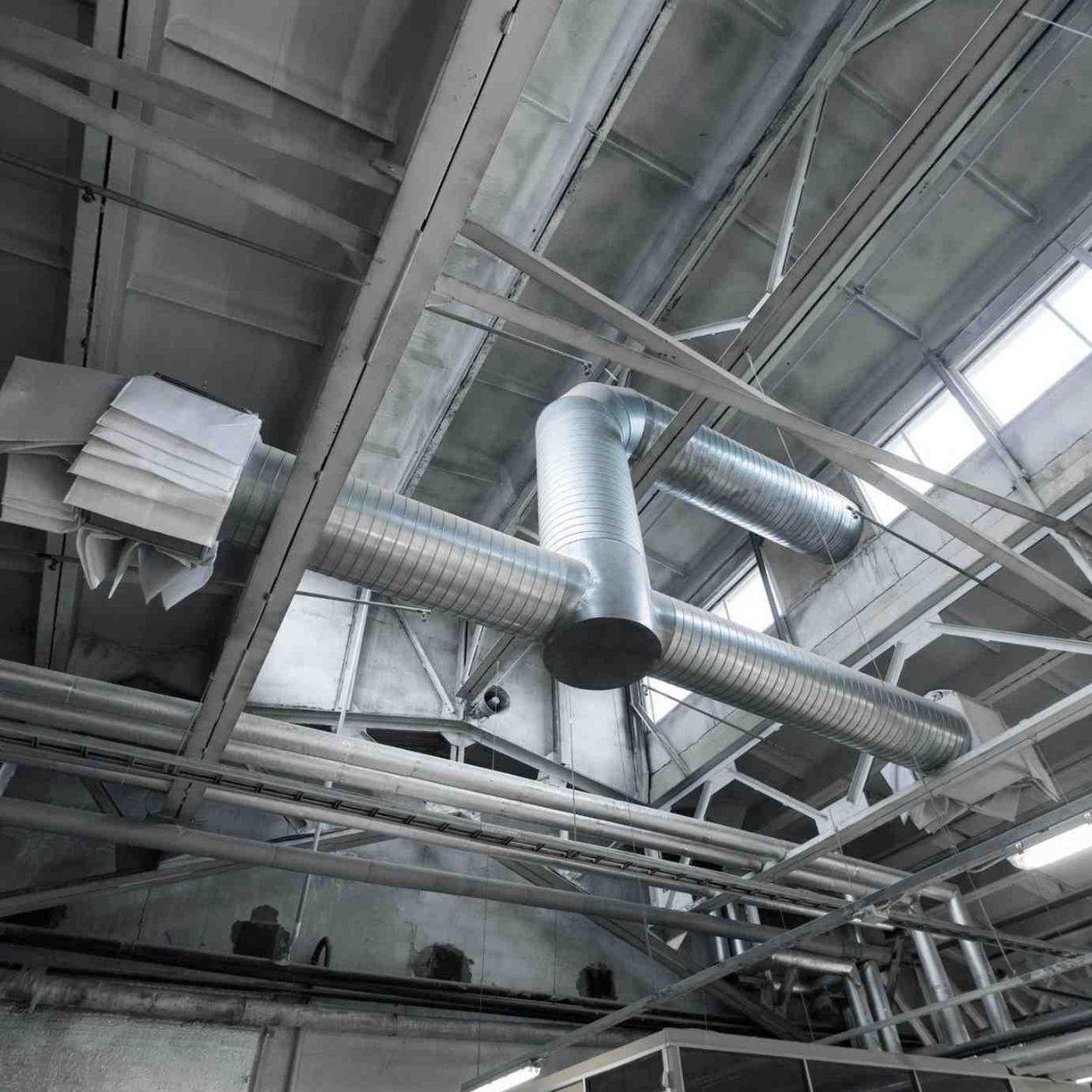
How Fire Alarms Connect with Air Conditioning (HVAC)
Ventilation, air conditioning, and smoke extraction systems are linked to fire alarm systems in buildings according to the following signaling hierarchy:
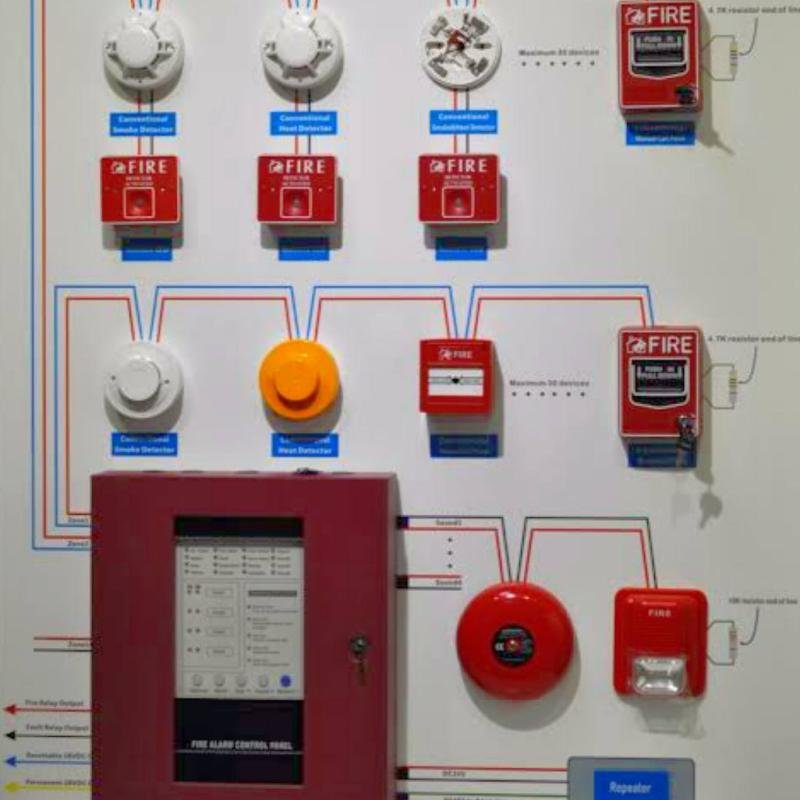
- Detection & Signaling: Upon detecting a fire, the Fire Alarm Control Panel (FACP) must send a signal to the HVAC control panel to immediately shut down the system in the building where the fire was detected.
- System Feedback: A signal is sent back from the HVAC system to the main fire alarm panel and the Building Management System (BMS).
- Centralized Control: In complexes with multiple buildings linked to a single central fire panel, the panel can shut down ventilation in one or several buildings based on the signals received.
How Flammable Gas Detection Works with HVAC Systems
Flammable gas sensors are an integral part of the fire alarm system. They are linked to the fire alarm panel to monitor the concentration of flammable gases in the air that could threaten human life or indicate a potential fire outbreak.
For a gas detection system to function correctly, the following points must be considered:
- Sensor Placement: Gas sensors must be installed at multiple points along the air path to capture any increase in gas concentration immediately.
- Automatic Shutdown: If the concentration of flammable gases reaches 20% to 50% relative to the air entering the building, the control system sends a signal to the HVAC control panel to shut down the ventilation system immediately.
Ventilation and Smoke Extraction in Warehouses and Towers
According to Saudi Civil Defense regulations, ventilation and smoke extraction systems must be installed in warehouses, towers, and certain residential buildings that meet specific safety criteria.
A standard Smoke Extraction System consists of:
- Smoke Extraction Units: Turbine fans or wall-mounted fans.
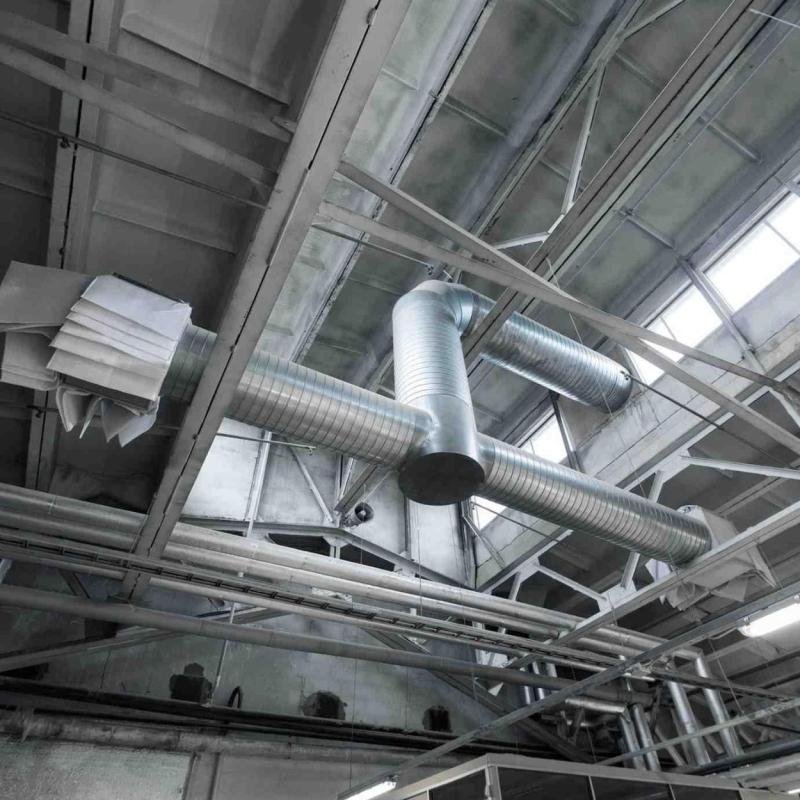
- Air Distribution System: Ductwork (Air ducts).
- System Control Unit: The interface that links the system to the fire alarm panel.
- Fire Alarm Panel: The final component of the integrated system.
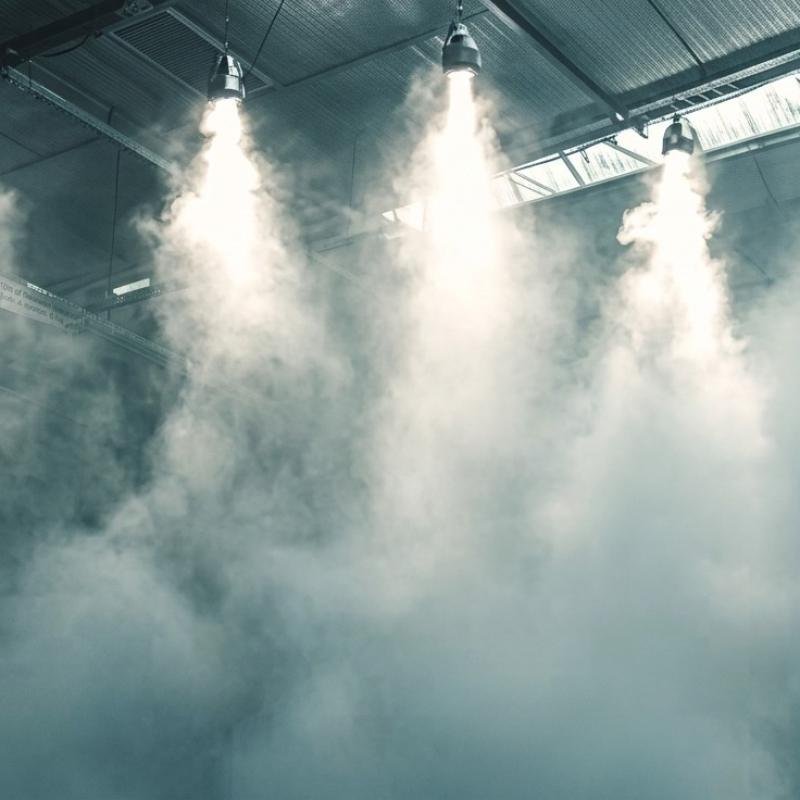
Operating Principle: The fans are activated automatically as soon as the fire alarm system is triggered, ensuring smoke is cleared to facilitate safe evacuation.