





Comprehensive Guide to Integrating Fire Alarm Systems with Elevators: Importance, Mechanism, and Safety Procedures
Welcome to Guard Safety Company
Integrating fire alarm systems with elevators is one of the most critical safety requirements in modern building management. In large-scale facilities such as airports, commercial complexes, and residential towers, this integration ensures that elevators respond automatically when a fire is detected. This synergy is vital for protecting lives and preventing the vertical spread of smoke through elevator shafts. In this guide, we explore the operational mechanisms of these systems, safety protocols during entrapment, and the transformative role of Artificial Intelligence in fire safety.
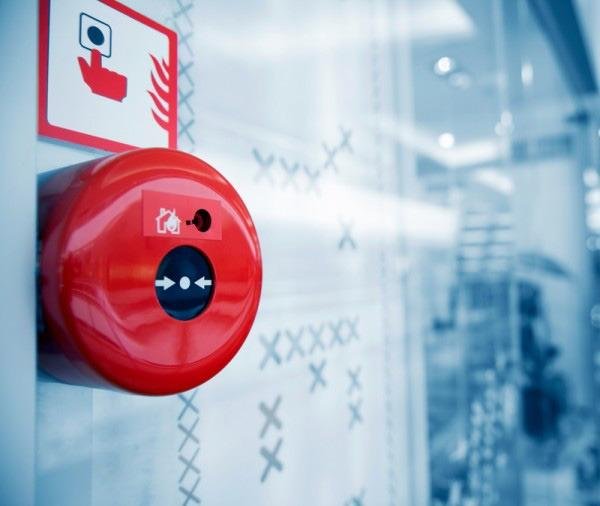
Understanding Elevator Fire Alarm Systems
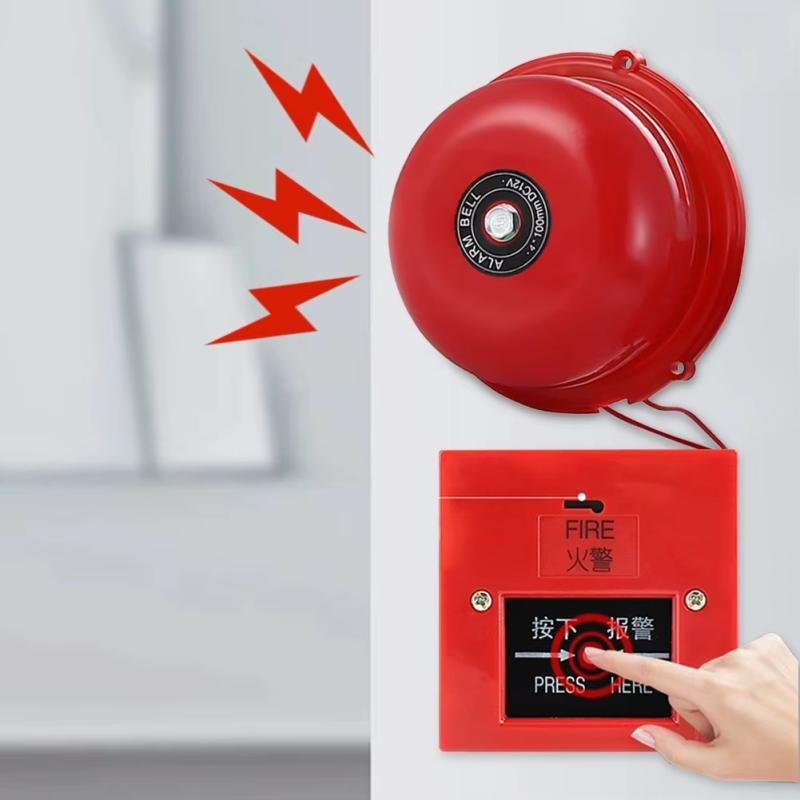
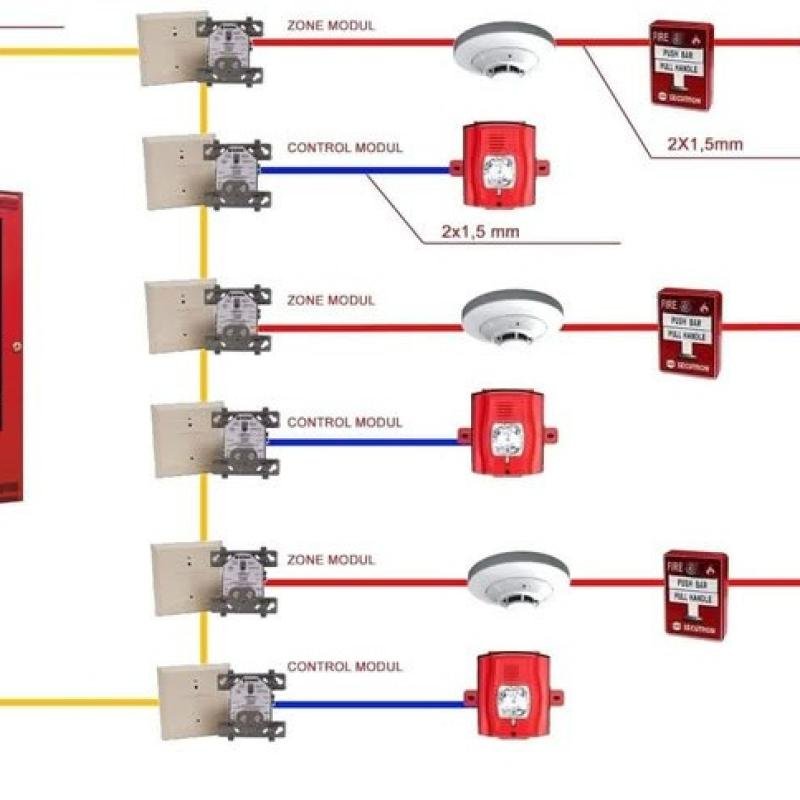
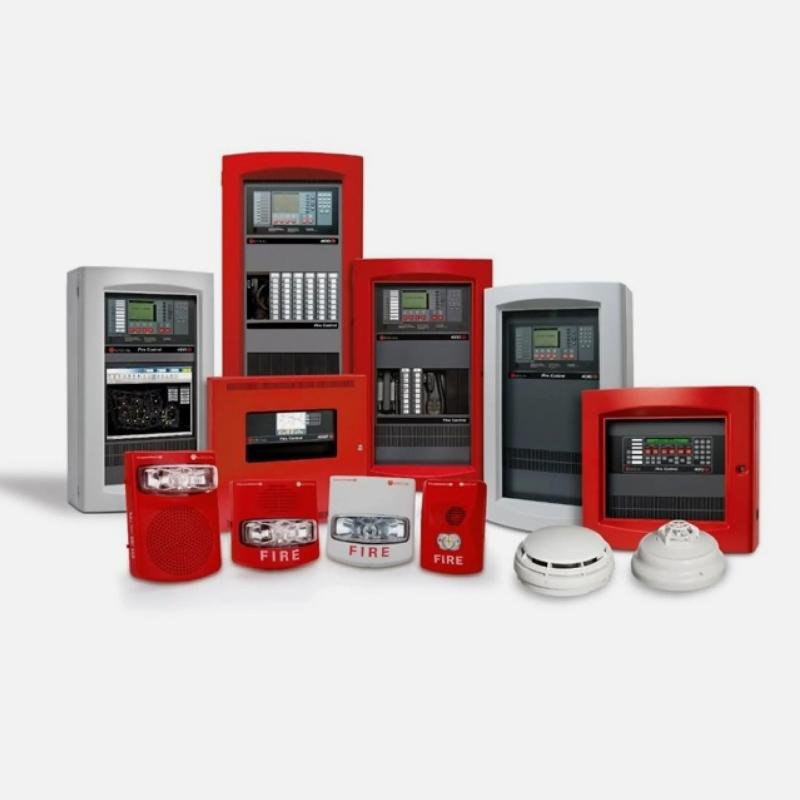
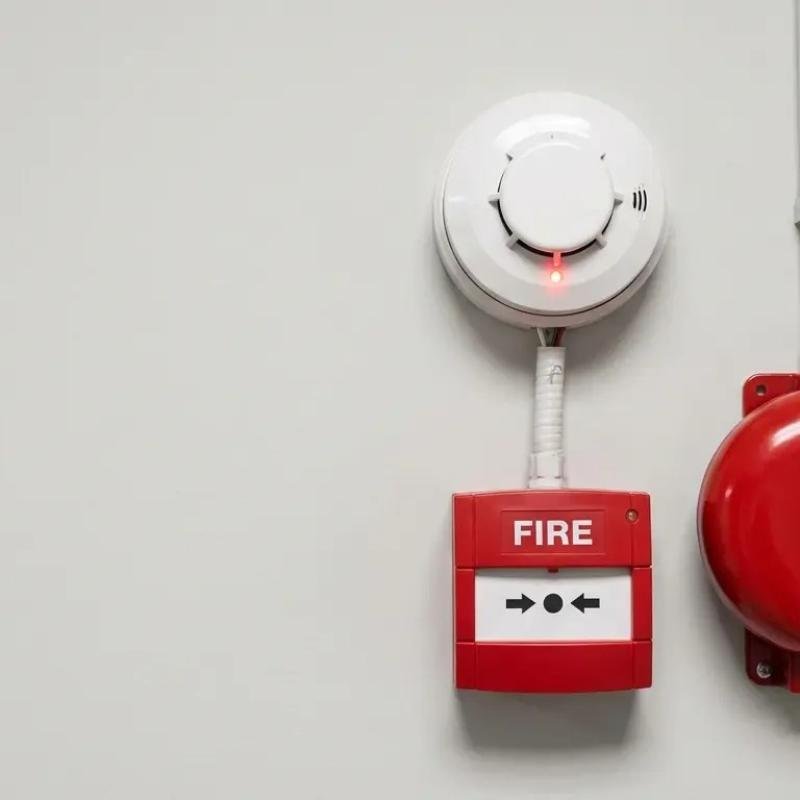
An elevator fire alarm system is a wired, integrated safety network specifically designed for operation in critical zones such as control rooms, corridors, and high-risk areas. This system provides a superior solution compared to conventional audible alarms by offering targeted functionality for vertical transport.
Key System Features:
Operational Data for First Responders: Supplies real-time information to firefighting personnel regarding fire incidents within elevator shafts or machine rooms.
Smoke Containment: Coordinates elevator positioning to ensure smoke does not migrate to non-affected floors.
Fully Autonomous Operation: Activation and execution require no human intervention during an emergency.
Automated Passenger Notification: Alerts individuals automatically when doors open during a fire recall event.
External Authority Communication: Transmits automatic alerts to emergency services upon detection of fire or unauthorized system intrusion.
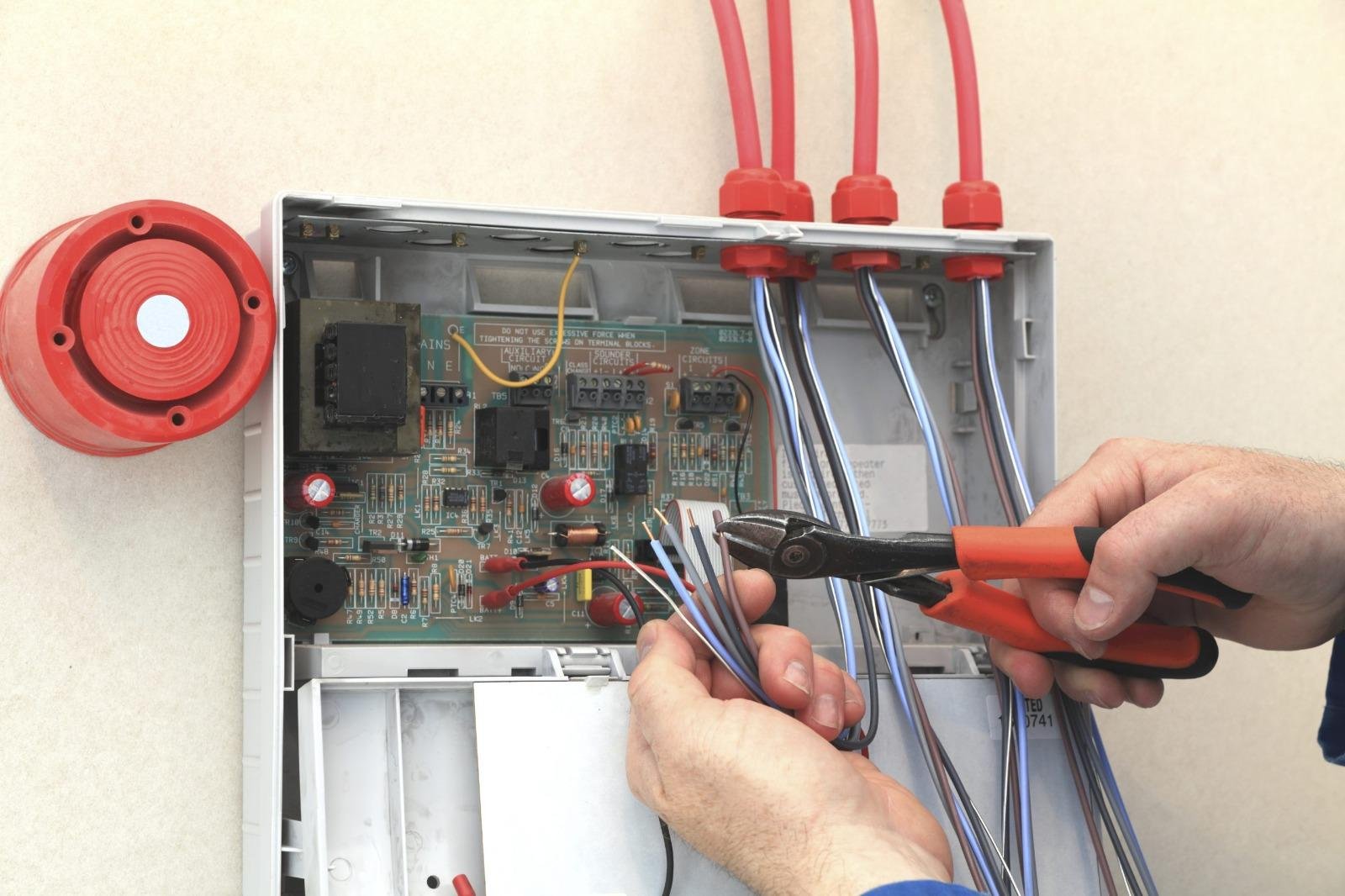
Mechanisms of Fire Alarm and Elevator Integration
The integration between these two systems follows a precise technical protocol to ensure passenger safety and building integrity:
Primary Recall: When a building fire alarm is triggered, the elevator system initiates a primary recall, directing cars to a designated floor where doors open automatically.
Emergency Door Operations: The system is engineered to open emergency doors before the onset of extreme heat or fire damage to the elevator car.
Advanced Synchronization: Unlike basic mechanical braking, this integrated system utilizes electronic signals to manage the safe movement of cars away from the fire floor.
Technical Consideration: The effectiveness of this system is highest in multi-story structures where the design allows for rapid evacuation from the affected floor to a safe discharge level.
Safety Protocols: Procedures for Elevator Entrapment
In the event of entrapment during a fire, following these standardized safety steps is essential for survival:
Step 1: Emergency Communication
Press and hold the emergency call button to establish contact with a communication operator.
If electronic communication fails, use loud noises or physical signals to attract attention.
Activate any manual alarm triggers located within the elevator cabin if available.
Step 2: Location Sharing
If cellular service is available, send text messages with your exact location and a description of the situation.
Ensure clear instructions are relayed to rescue teams to facilitate a rapid location find.
Remain in position as rescue teams utilize specialized tools to reach the elevator shaft.
Step 3: Preparation for Extraction
Stay low on the elevator floor where the air is cleaner.
Use clothing or available textiles as a temporary filter to protect against smoke inhalation.
Maintain composure and wait for professional rescue intervention.
The Impact of Artificial Intelligence on Fire Alarm Systems
Artificial Intelligence (AI) is significantly reducing the complexity of fire safety in large-scale infrastructures.
Simultaneous Activation and Detection
AI enables simultaneous activation features, allowing a single intelligent sensor to manage multiple elevators at once, replacing the need for redundant sensor arrays.
Centralized logic allows for complex operational shifts (e.g., stopping certain banks while bypassing others) instantly.
Enhanced Performance Metrics
False Alarm Mitigation: AI distinguishes between actual fire signatures and non-threatening triggers like dust or steam, improving operational uptime.
Improved Response Times: Traditional systems often involve a multi-minute delay in large commercial buildings. AI reduces the time between detection and elevator recall to seconds.
Optimized Evacuation: While fire archives suggest reaction times often exceed 6 minutes, AI-driven systems aim to complete safety protocols in less than 60 seconds.

Guard Safety Company: Specialized Elevator Integration Solutions
For organizations seeking professional installation and maintenance of elevator fire alarm integration in Riyadh and across Saudi Arabia, Guard Safety Company provides industry-leading expertise.
Certified Compliance: All integrated systems are fully approved by the Saudi Civil Defense.
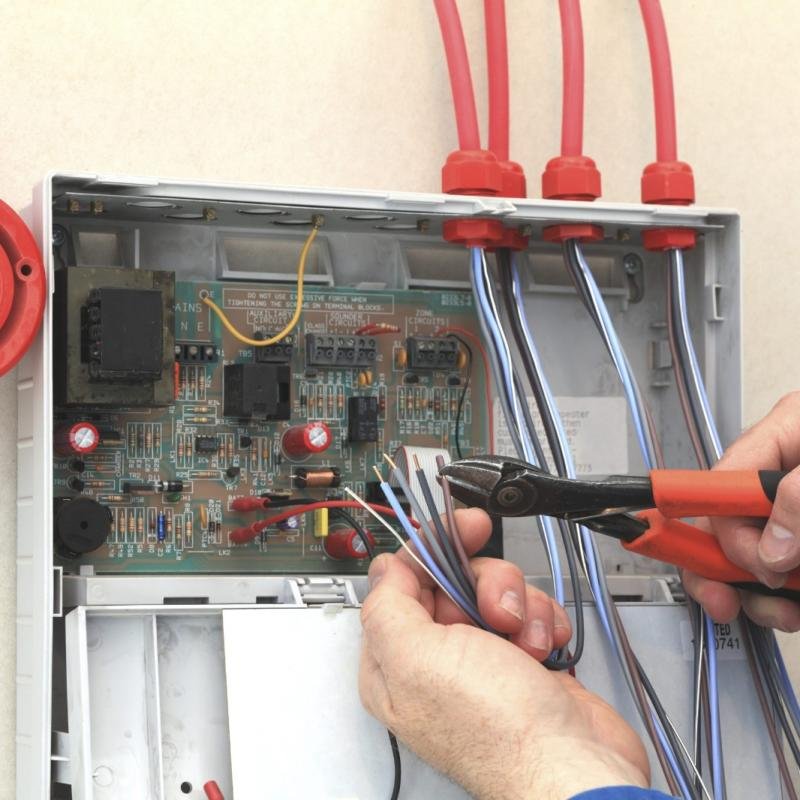
Expert Technical Staff: Our teams specialize in the unique interface between fire alarm panels and elevator controllers.
Next-Generation Technology: We offer AI-powered solutions designed for the complexities of modern smart buildings.
Preventative Maintenance: Specialized contracts ensure your integration system remains operational 24/7.
Conclusion: Safety as a Strategic Investment
The integration of fire alarms with elevator systems is a fundamental requirement for the protection of life and property. Transitioning to AI-enhanced safety measures ensures a faster, more effective response during critical emergencies. Contact Guard Safety Company today for a professional consultation and a competitive technical proposal for your facility.