





Conventional Fire Alarm Systems
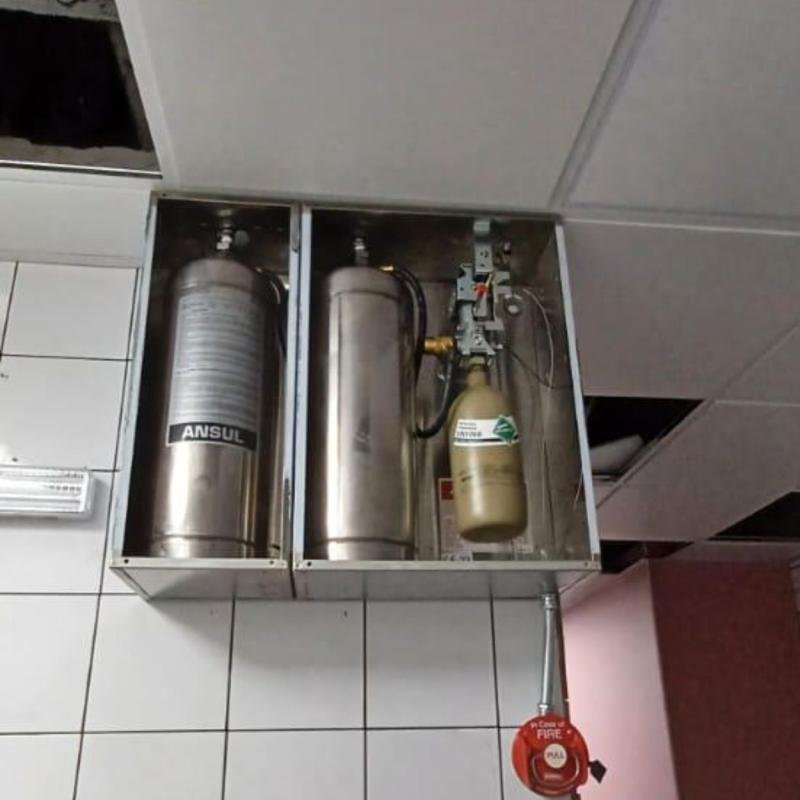
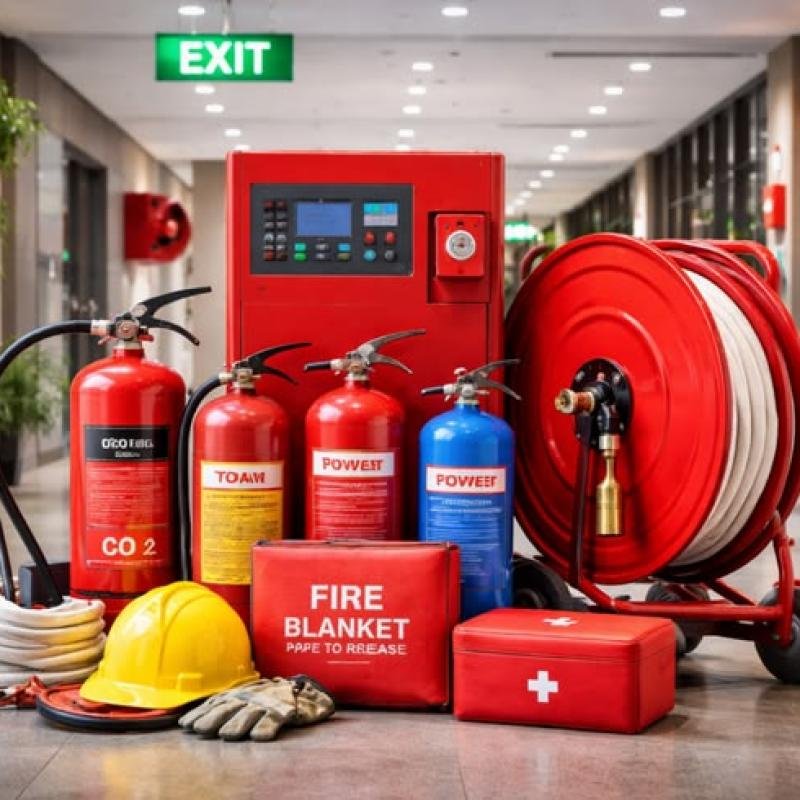
Conventional fire alarm systems are a standard in fire safety, particularly in public buildings and industrial complexes. A conventional fire alarm system comes equipped with a wide range of features and components to detect, alert, and respond to fires quickly and efficiently.
Installing these systems typically requires a Civil Defense license or certification due to their life-saving nature. Furthermore, regular maintenance contracts conducted by certified engineers are essential to ensure the system remains up-to-date and fully functional.
Conventional fire alarm systems have proven effective in keeping homes and businesses safe during emergencies. The system consists of several components, such as fire detectors, control panels, bells, sirens, and Civil Defense certification, all working together to detect potential fire hazards.
Conventional vs. Addressable Fire Alarm Systems
Addressable firefighting systems are a modern, next-generation solution for keeping buildings safe from fire hazards. Addressable systems provide much more in-depth information and data than their conventional counterparts.
While conventional systems identify the "zone" of a fire, addressable fire alarms automatically alert users to the specific location of the danger, allowing for a faster response. By understanding the differences between addressable and conventional systems, building owners can determine which type provides the best safety coverage and reliability for their facilities.
Advantages of Installing a Conventional Fire Alarm System
In today’s world, having a reliable fire alarm system is crucial. Conventional fire alarm systems are among the most popular choices for this purpose. They provide early warning and save lives by enabling quick activation during emergencies.
Advantages of conventional fire alarm systems include:
Easy Installation: Straightforward setup and wiring.
Minimal Maintenance: Generally, requires lower upkeep.
Integration: Can be integrated with smoke detectors and heat control panels.
Safety Certification: Must be approved by a Civil Defense licensing agency for added security.
External Alarms: Most include external sirens to assist in building evacuation.
What is a Fire Alarm Device?
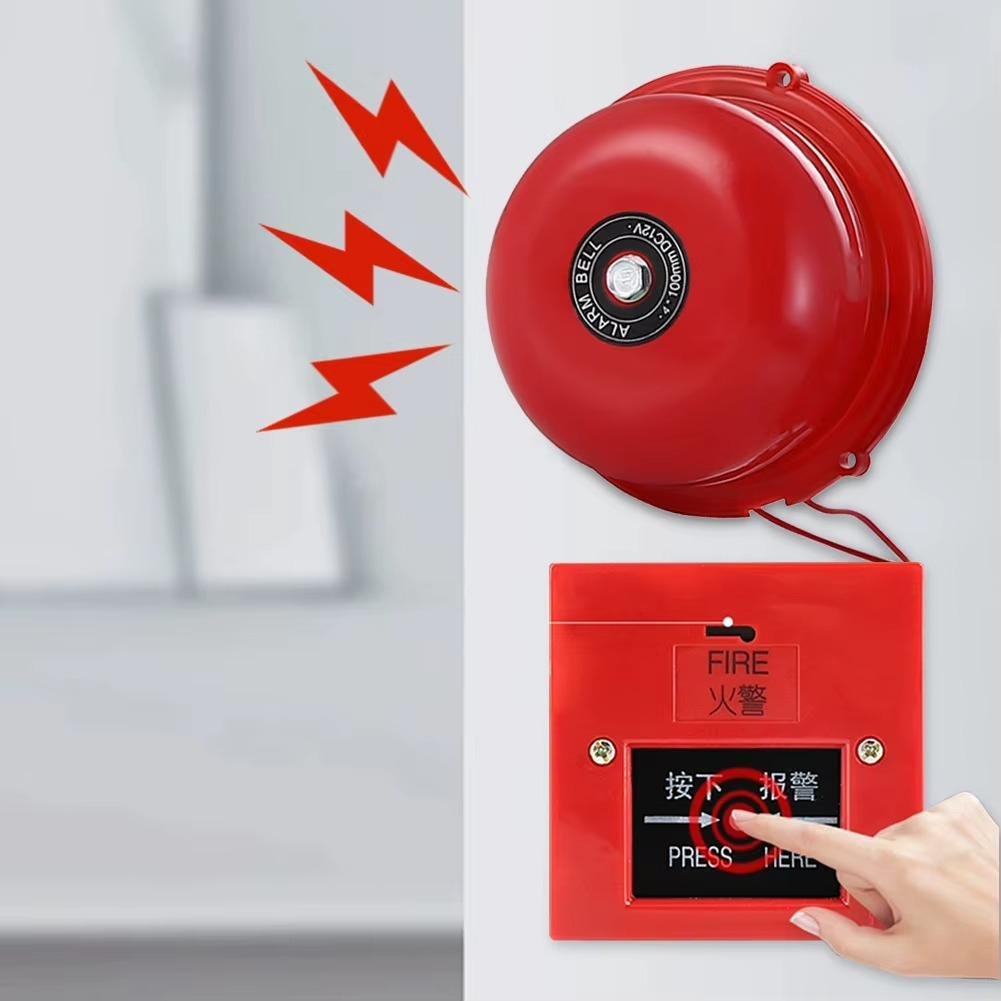
Fire alarm devices are essential safety tools designed to detect and alert occupants during a fire emergency. They utilize heat and smoke detectors to identify smoke, rising temperatures, and other fire indicators.
Once a potential fire sign is detected, an audible alarm is triggered to notify everyone in the building. Fire alarms provide the time needed to evacuate safely and contact emergency services as soon as possible.
Components of a Conventional Fire Alarm System
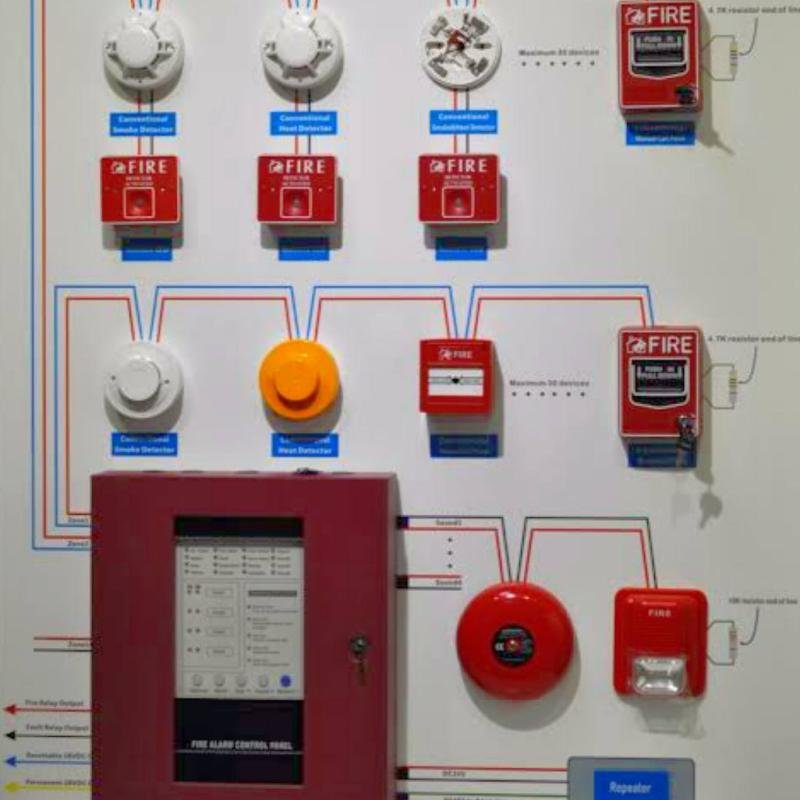
A standard fire alarm system consists of:
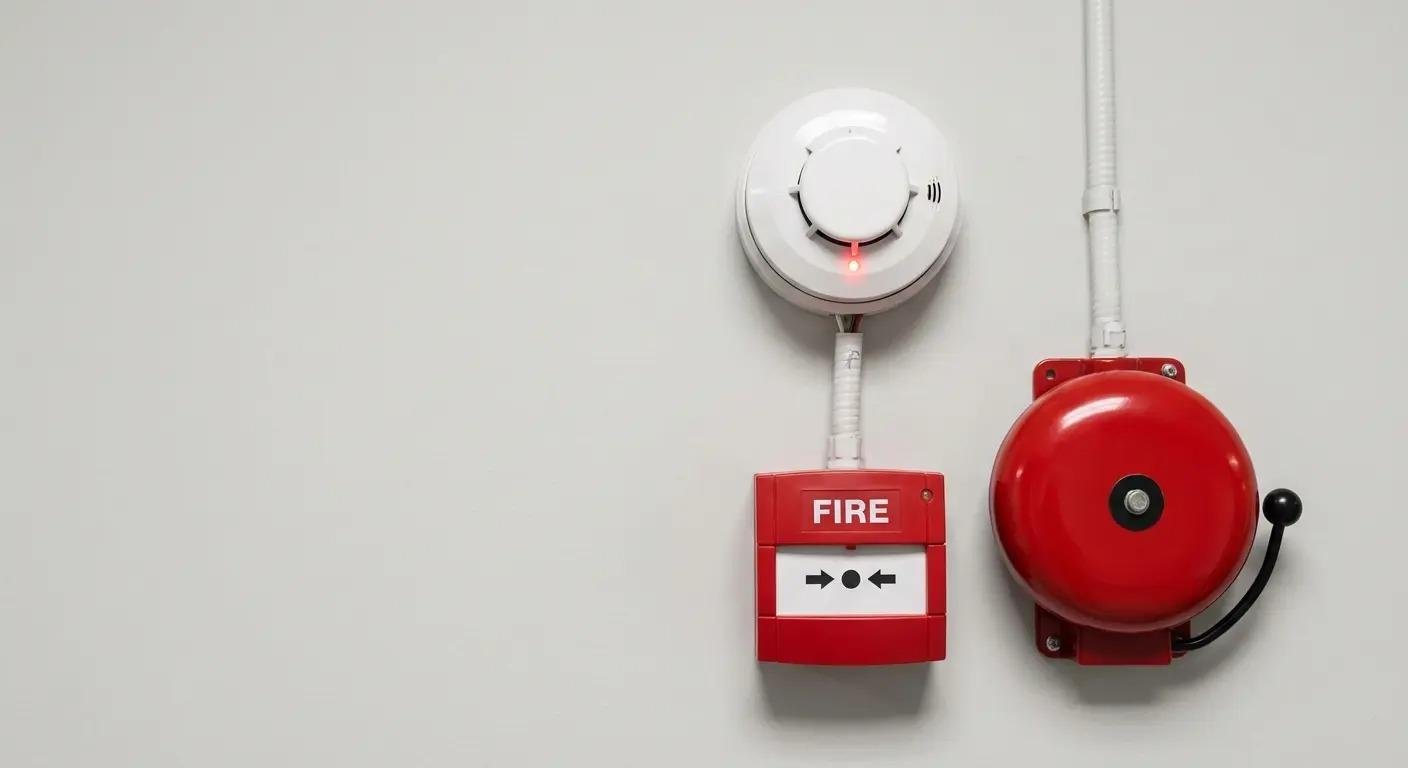
Smoke and Heat Sensors: The detection core.
Control Panels: The brain of the system.
Audible Notification Devices: Bells and sirens.
Emergency Communication Systems: For contacting authorities.
Core Components Explained:
Smoke Detector: Detects smoke particles in a room and triggers the alarm.
Heat Detector: Monitors the average room temperature; if it exceeds safe levels, the alarm is activated.
Audible Alarm: Once conditions are met, a loud sound is released to notify you of the emergency.
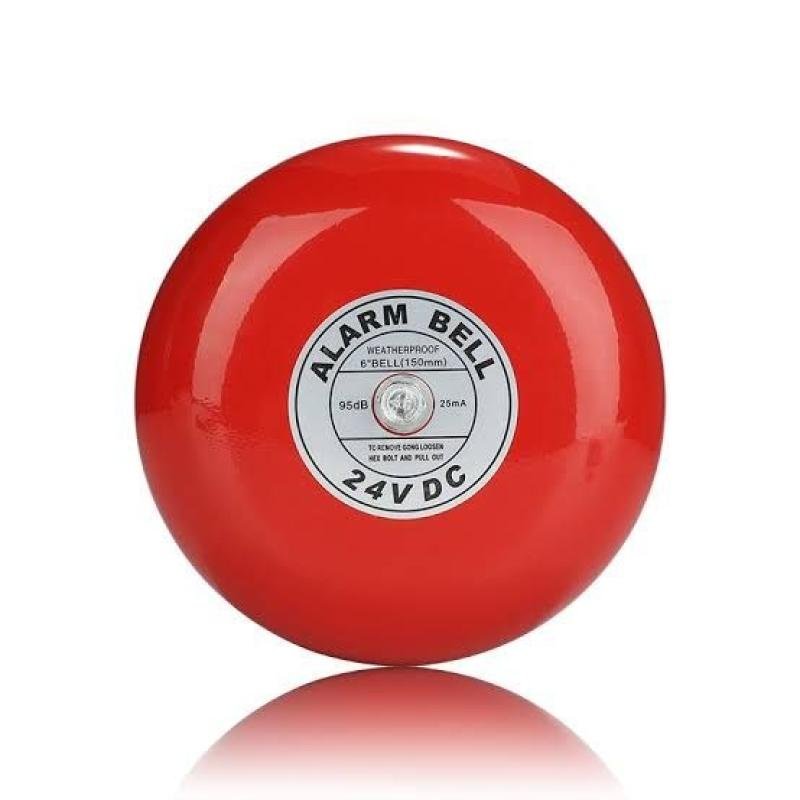
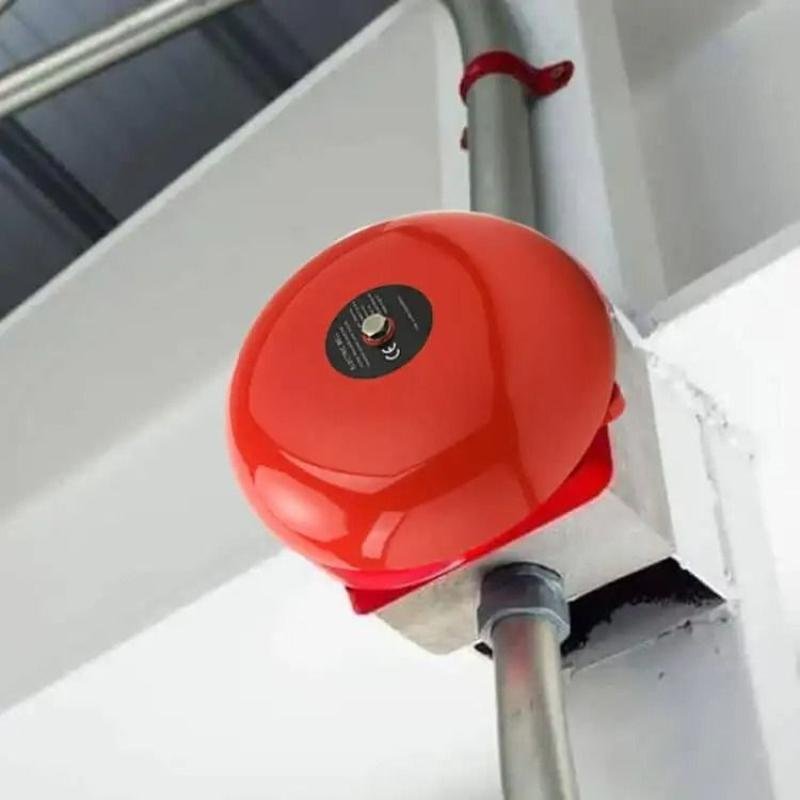
Fire Alarm Bell
Fire alarm bells are fundamental devices created to protect people from fire hazards. The goal of a fire bell is to release a warning alarm so that people in the vicinity can take action and help mitigate the fire's impact.
Modern fire bells activate loud sounds and sometimes strobe lights to efficiently alert everyone. In some cases, they can even send notifications via intercom or phone lines to notify the Civil Defense during an emergency.
Fire Alarm Control Panel
The Fire Alarm Control Panel (FACP) is the primary device used for detection and alert management. It consists of a central control station that monitors all connected devices and sends visual or audible warnings when a fire is detected.
While conventional panels are common, addressable panels offer more flexibility as they use addressable detectors, call points, and sounders to provide individual signal locations and initiate specific evacuation sequences if necessary.