





Dry Pipe Fire Suppression Systems
A dry pipe fire sprinkler system provides a wide range of advantages for those needing to protect property or lives. The dry pipe system works by directly extinguishing fires through the introduction of water into the affected area, helping to put an immediate end to any fire hazards threatening the location.
The dry pipe fire system is often praised for its ability to manage fires even within high-risk areas and hard-to-reach zones. Compared to standard wet systems, dry pipe firefighting systems allow water distribution only when needed, saving money and preventing additional water damage.
What are the Advantages of a Dry Pipe Fire Suppression System?
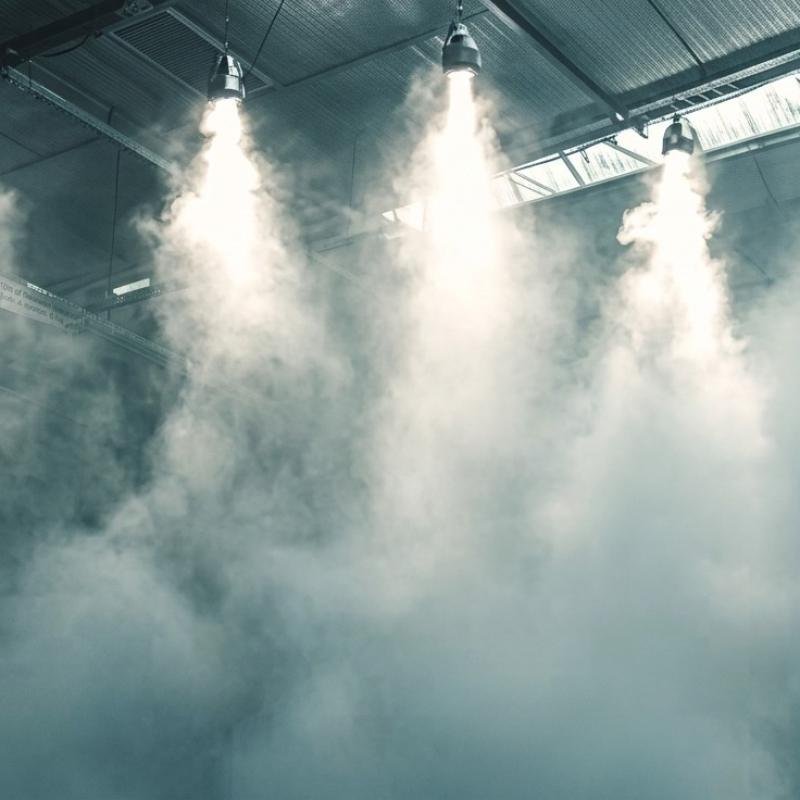
Dry firefighting systems offer a range of benefits to provide safety and property protection from fires. They are designed to extinguish fires by spraying water on the affected area, but only upon fire detection.
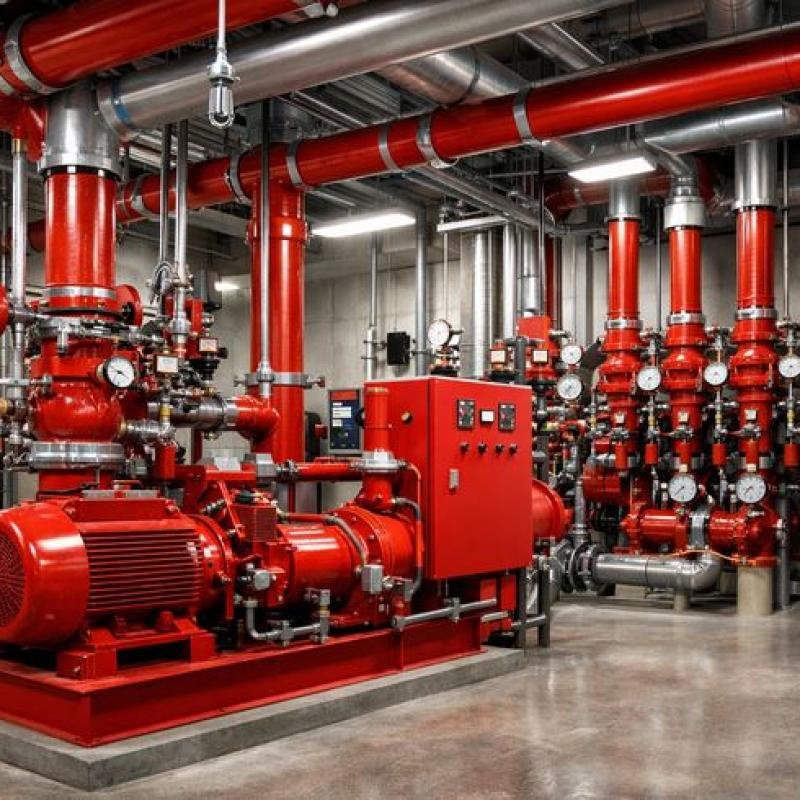
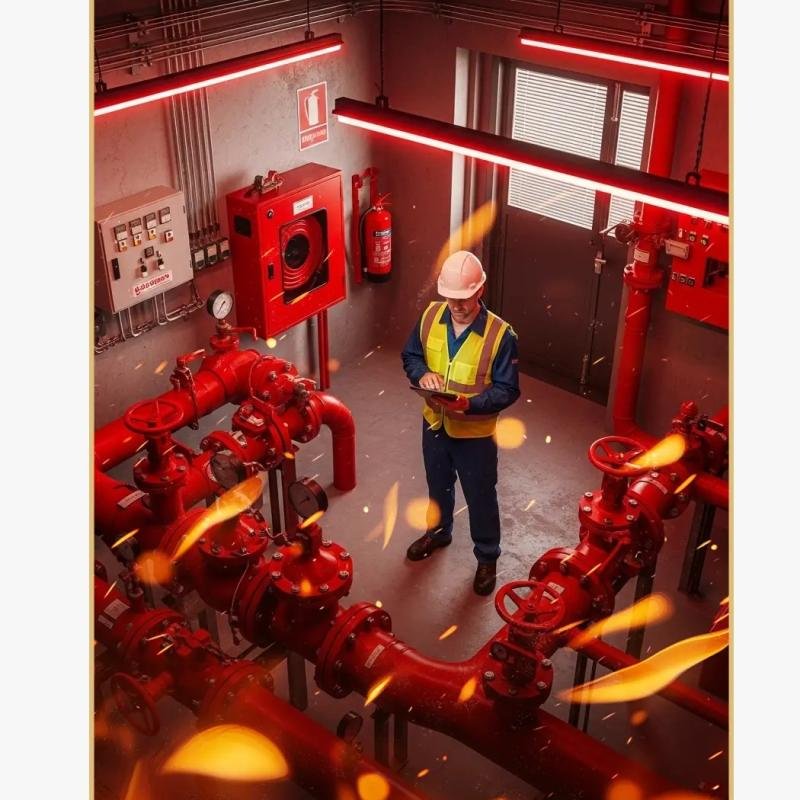
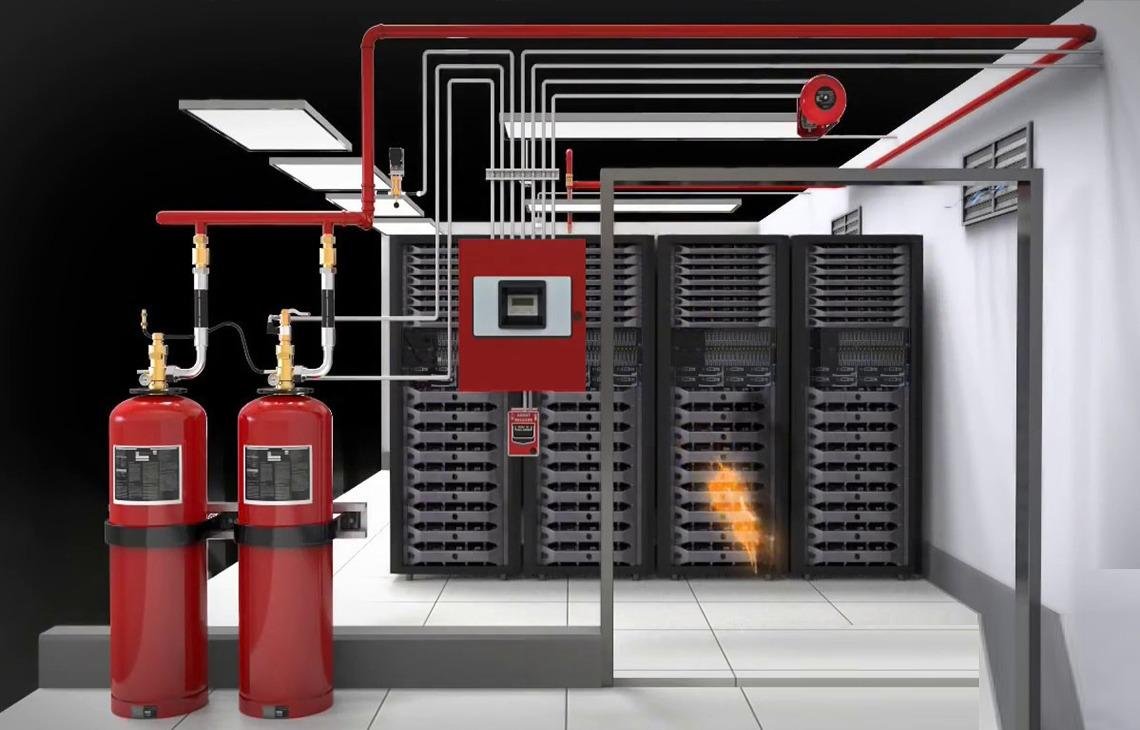
A dry pipe sprinkler system utilizes dry valves and pipes that prevent water from entering the pipelines during normal hours, as they are pressurized with compressed air. Key features of dry fire suppression systems include:
Cost and Maintenance Efficiency: More economical over the long term.
Lower Water Consumption: Uses water more effectively.
Prevention of Accidental Discharge: Helps prevent water damage due to flooding or pipe bursts in freezing conditions.
Reduced Plumbing Requirements: Provides cost savings due to specialized maintenance and plumbing needs.
Fire safety authorities have begun to recognize these systems as reliable options for preventing disruptions caused by fires and minimizing their impact on human life and property.
What is the Estimated Cost of a Dry Pipe Fire Suppression System?
Estimating the installation cost of a dry firefighting system (such as a sprinkler system) may seem overwhelming due to variations in size, layout, age, and facility type. However, a detailed analysis can help in making critical decisions regarding the investment.
An accurate cost estimate for a dry pipe fire system can be achieved by considering all its components, including:
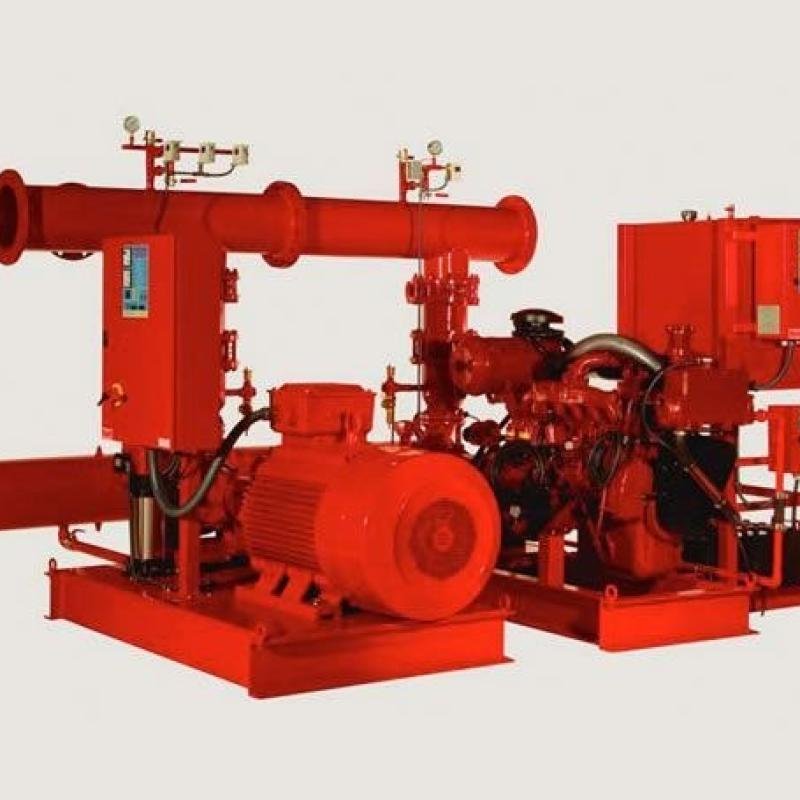
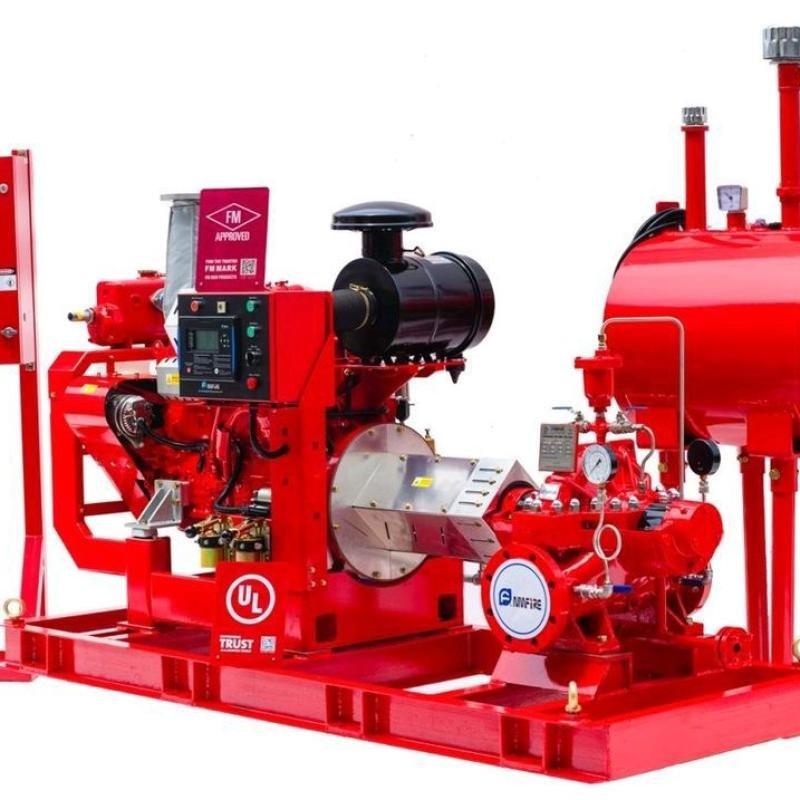
Fire Pumps.
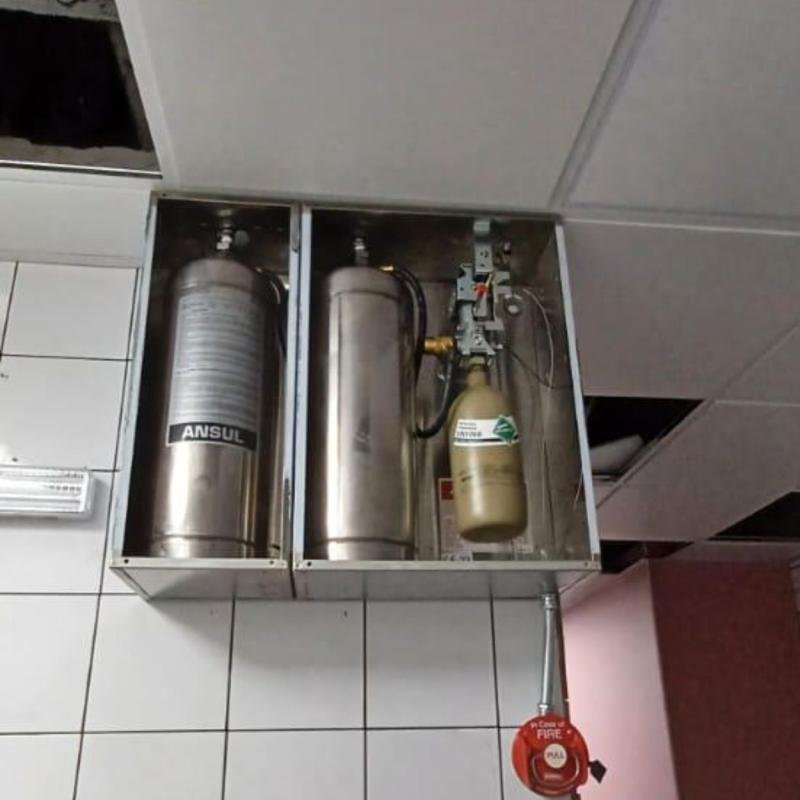
Fire Extinguishing Agents.
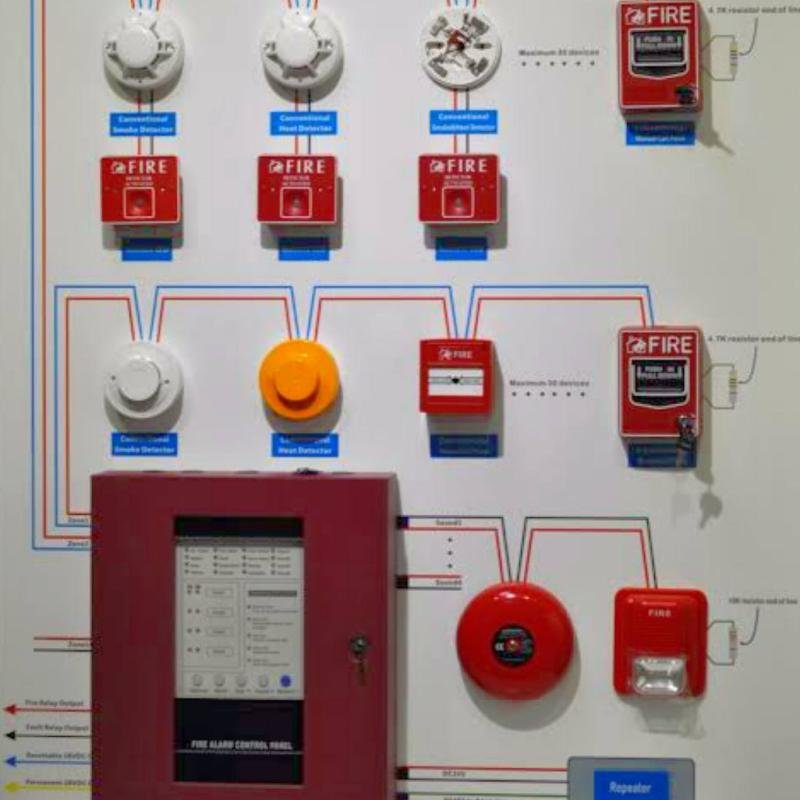
Ancillary Components and Controls.
By researching various product options and their associated costs, it is possible to understand the total cost per square foot required to ensure optimal fire safety.
Benefits of Implementing Dry Fire Fighting Systems in High-Risk Areas
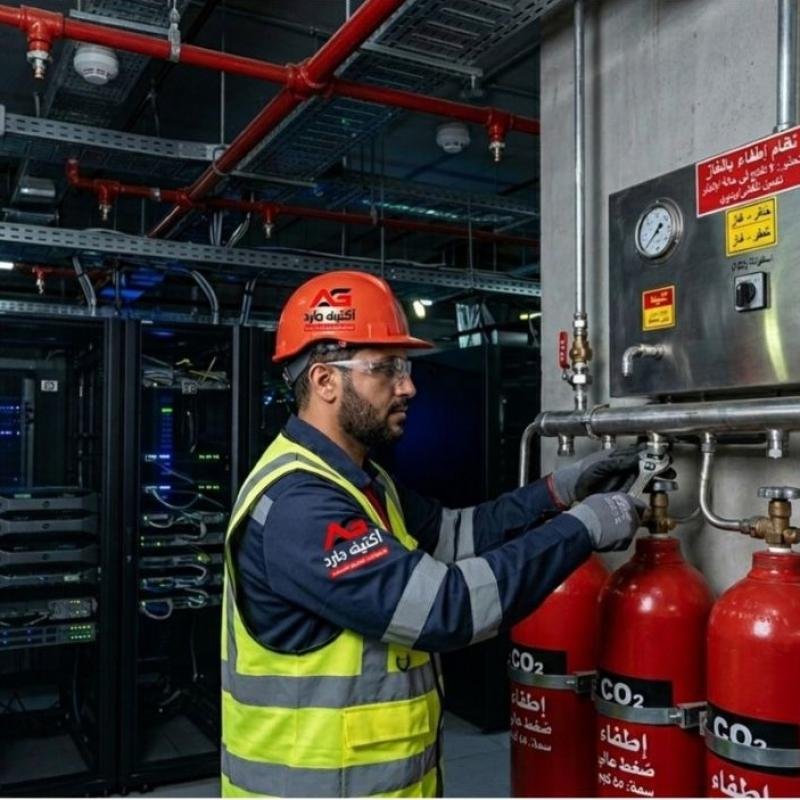
Implementing a dry fire suppression system offers numerous benefits, especially in areas with a significant risk of fire. Some dry systems are equipped with foam spray fire dampers, which can be more effective than standard water-based systems in rapidly extinguishing specific types of fires.
Additionally, using foam-based or specialized dry chemical systems reduces the amount of water needed to fight the fire—a crucial advantage when facing high-risk, fast-spreading fires. This not only enhances safety but also prevents potential property damage and loss of life.