





Internationally Recognized Standards (Required for Licensing)
When submitting project documents to Civil Defense, you must prove that the system complies with one of the following standards:
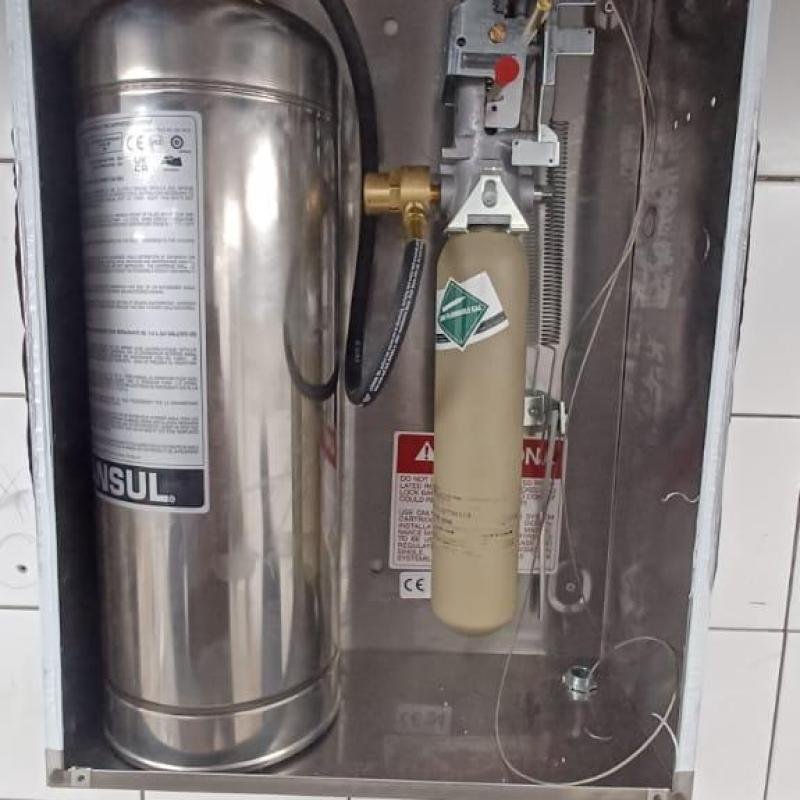
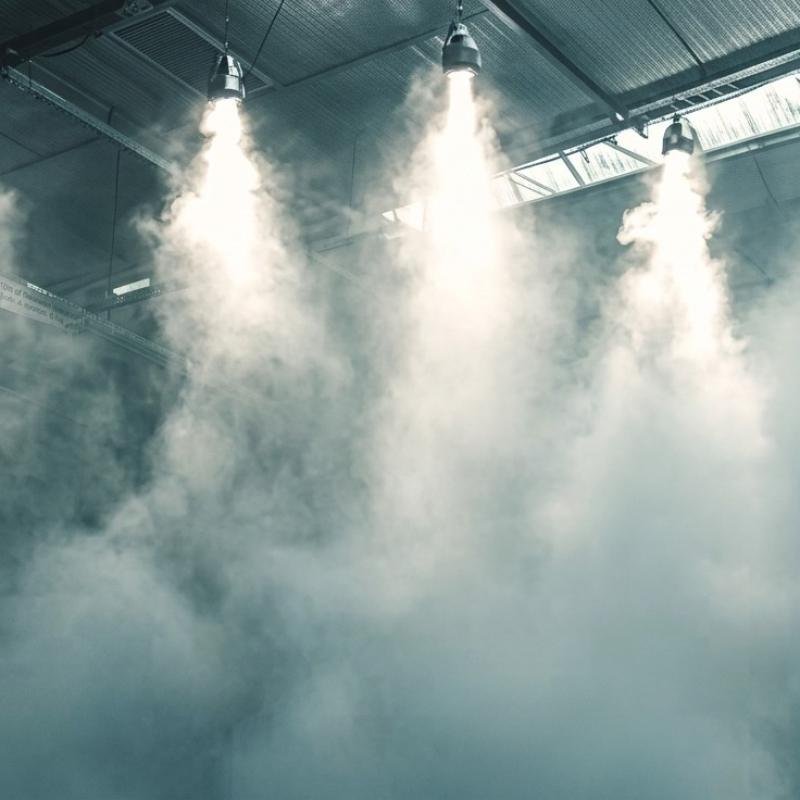
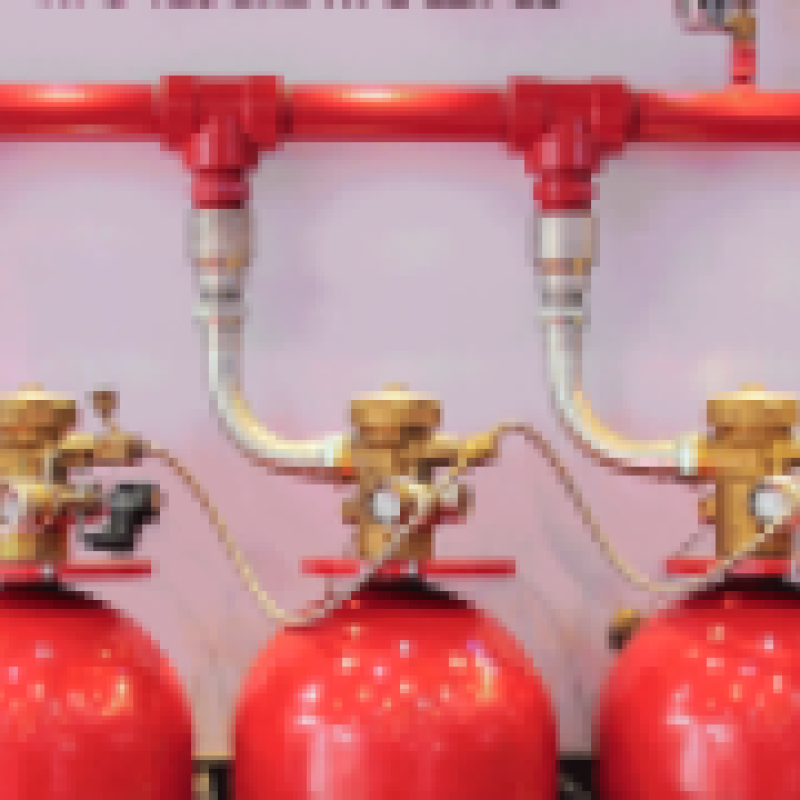
- ISO 14520 (Most Common Globally): The primary international standard for gas-based fire suppression systems. It covers gas properties, system design, installation, and acceptance testing. Compliance with this standard is a major step toward meeting Civil Defense requirements.
- NFPA 2001 (U.S. Standard): A globally recognized standard by the National Fire Protection Association, widely referenced alongside ISO standards in many countries.
Civil Defense Core Requirements for System Approval
To obtain a fire suppression system license from Civil Defense, the designer and contractor must demonstrate compliance with the following requirements, which are strictly verified during inspection:
1. Asphyxiation Protection (Human Safety) – Most Critical
This is the most important safety requirement depending on the system type:
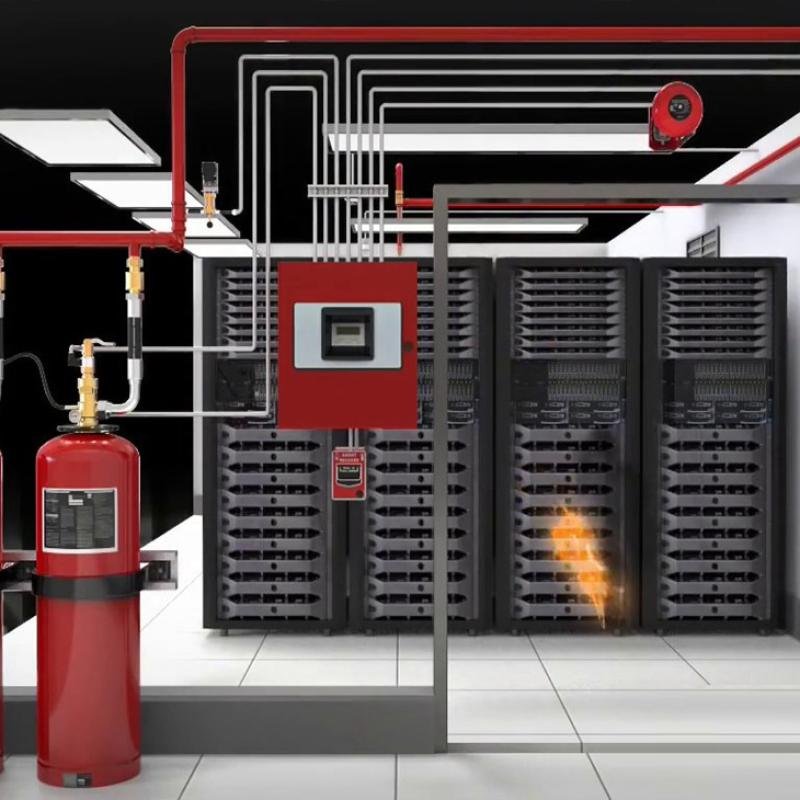
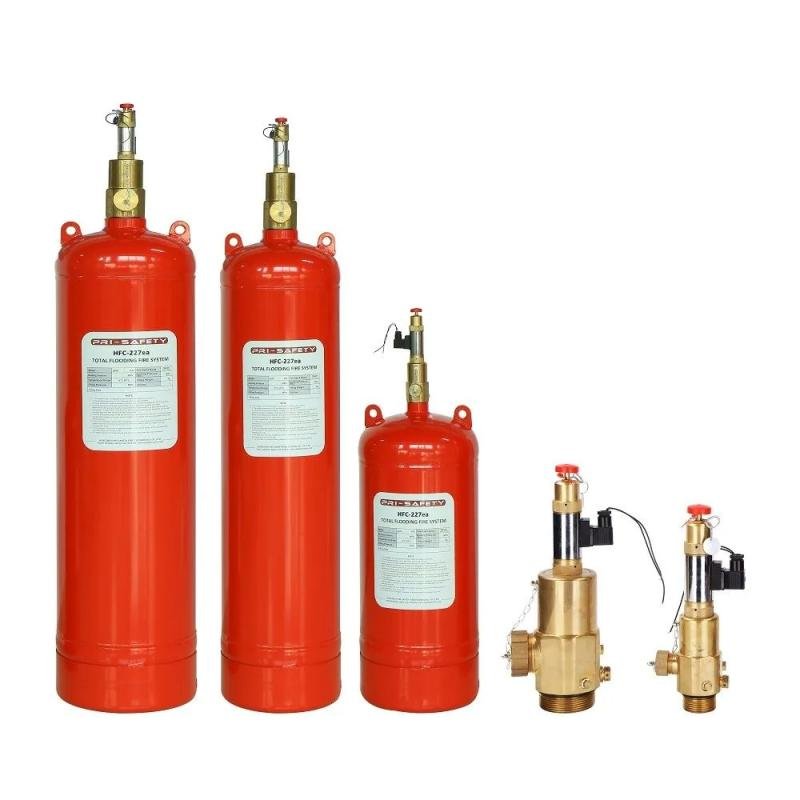
- FM200 and Novec 1230 Systems: Must be designed so that gas concentration remains within human safety limits (NOAEL), allowing safe evacuation during discharge
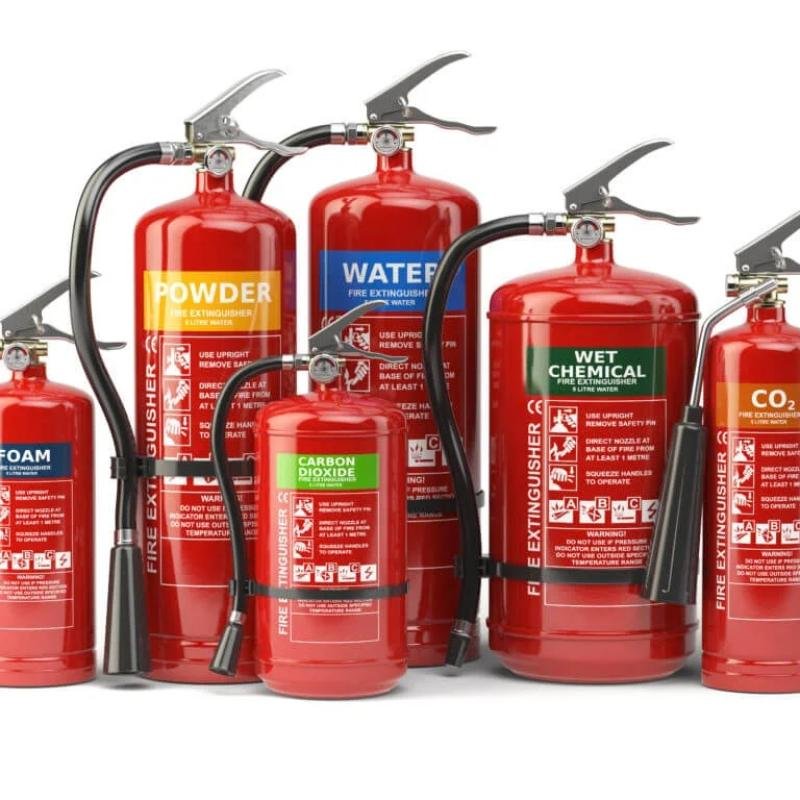
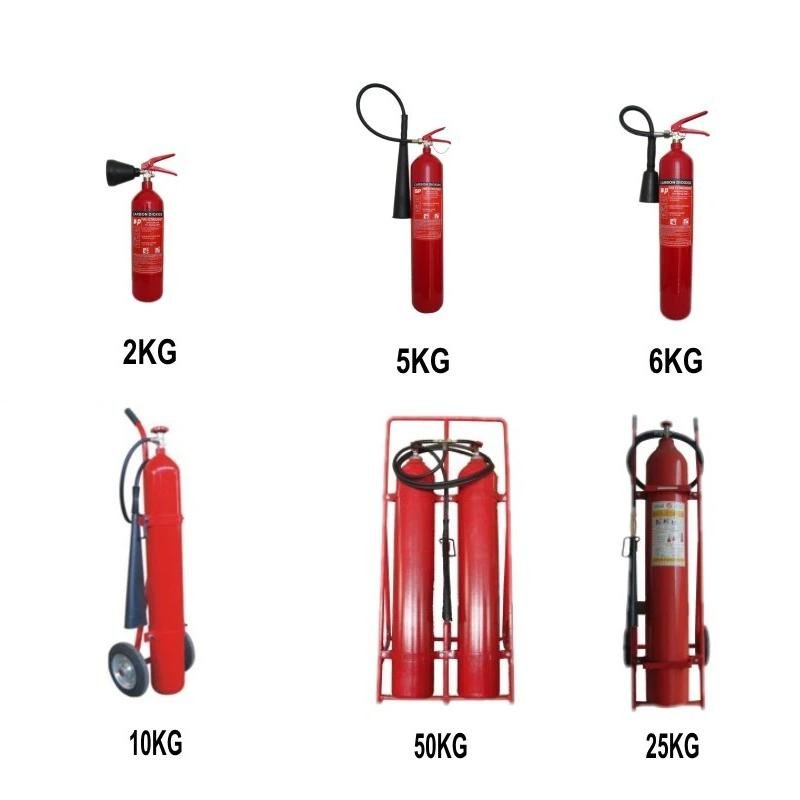
- CO2 Systems: Not permitted in permanently occupied spaces. If used in rarely occupied areas, a delay alarm system must be installed, along with clear warning signage at all entrances
2. Fire Suppression Efficiency (Concentration Calculations)
Approved engineering calculations from a certified consultant must prove that the gas quantity is sufficient to extinguish fires within the required time, typically under 10 seconds for FM200 systems.
3. Discharge and Control Mechanism Requirements
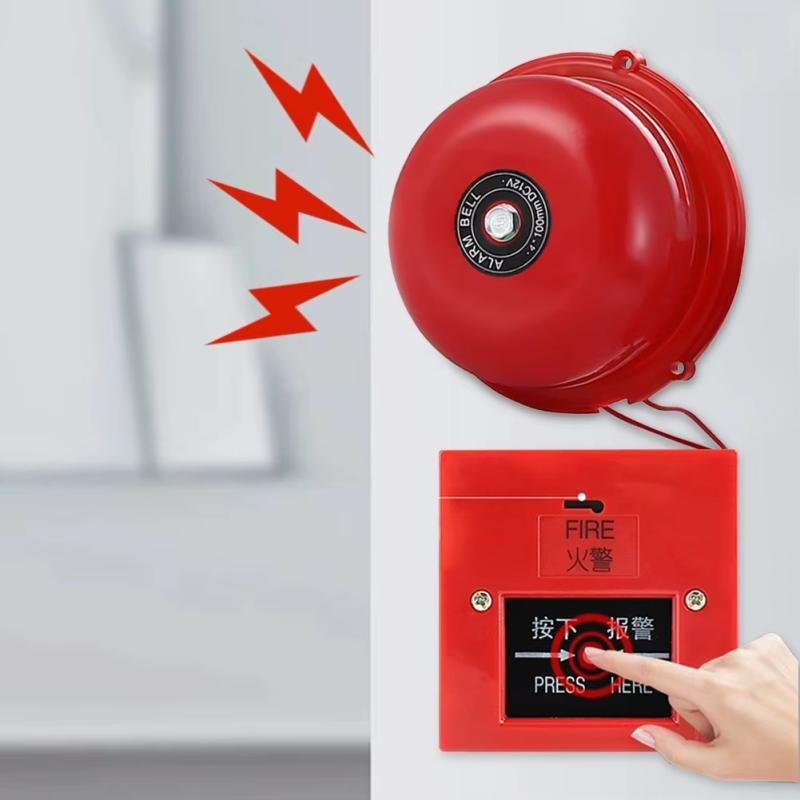
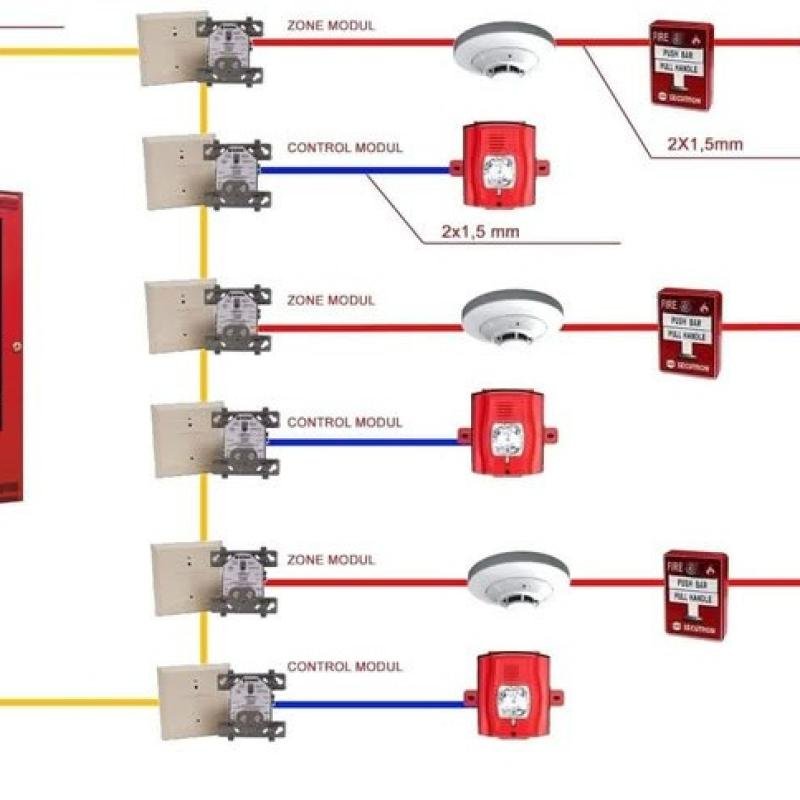
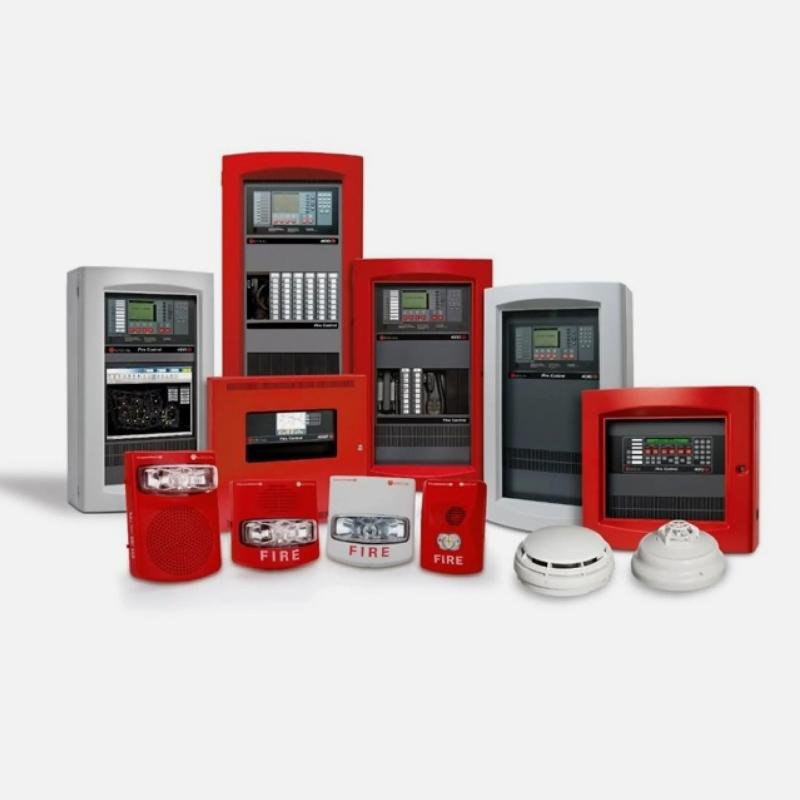
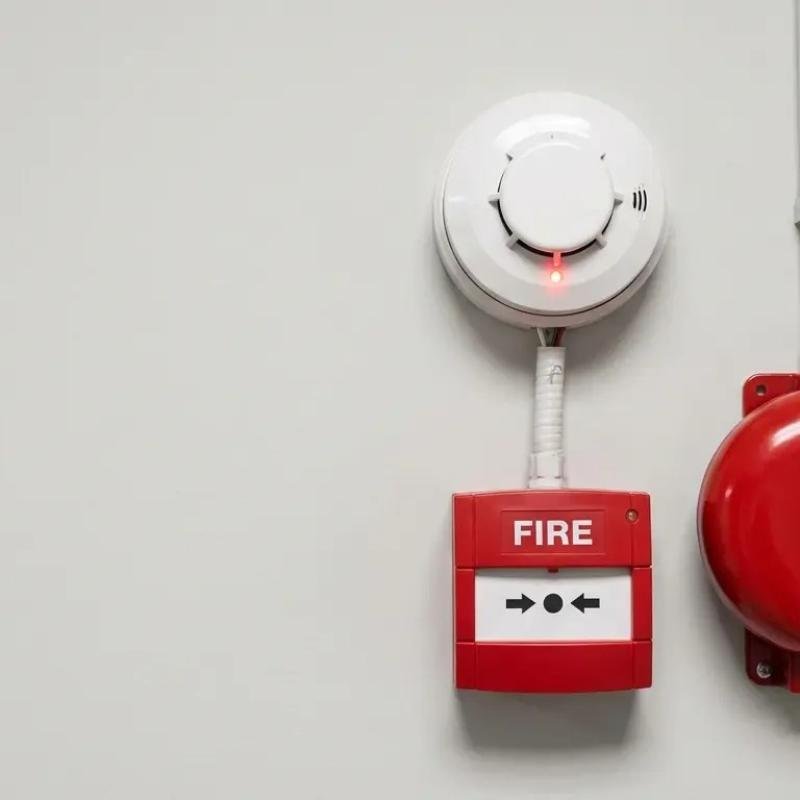
- Alarm System: Audible and visual alarms must activate before gas release
- Sealing Mechanism: Ventilation dampers must automatically close during discharge to prevent gas leakage
- Manual Abort Switch: Required for hazardous systems such as CO2 or areas where human presence is possible, allowing emergency cancellation of discharge
4. Installation and Testing Documentation
Final licensing cannot be issued without complete technical documentation, including:
- Pressure Test Report: Confirms piping system integrity and leak-free installation
- Cylinder Weight Report: Verifies correct gas quantity in all cylinders
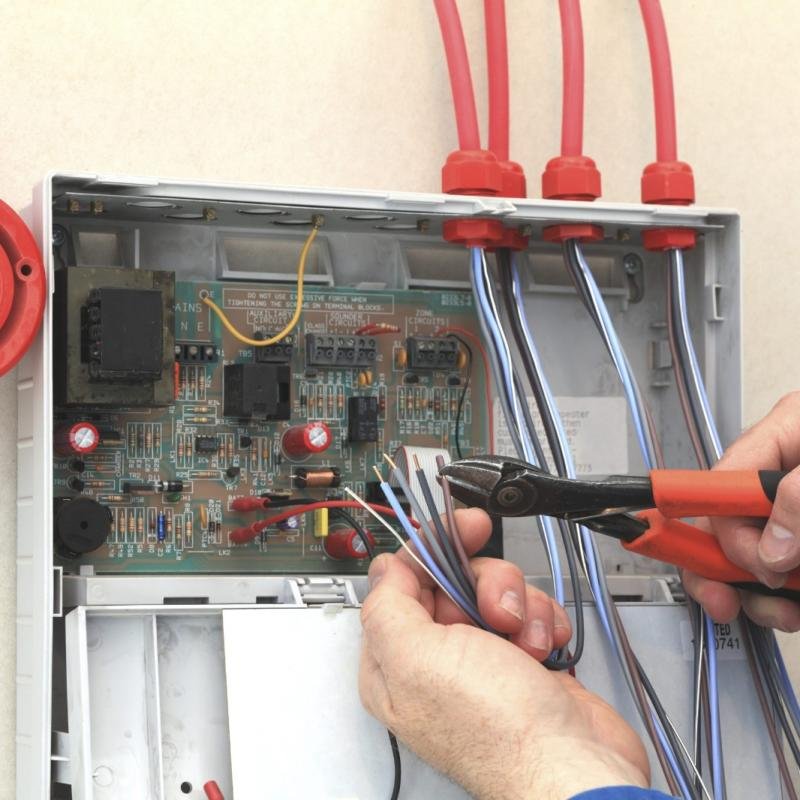
- Alarm System Inspection: Ensures full integration with suppression system
Steps to Obtain a Civil Defense License (Practical Process)
Working with a certified engineering consultant and approved contractor is mandatory. The process typically includes:
- Design Approval: Submit system drawings and calculations for Civil Defense or consultant review
- Installation: Execute the system according to approved designs
- Testing: Civil Defense inspection and system discharge testing (partial or compressed air test)
- Licensing: Final approval and issuance of the completion certificate after successful testing
Quick Summary for Preparation
- Ask the contractor: Is the system compliant with ISO 14520 or NFPA 2001?
- Ask the consultant: Are gas concentration levels safe for human evacuation in FM200 or Novec systems?
- Mandatory requirement: Perform periodic maintenance (usually every 6 months) to maintain license validity
Important Note
Regulations may vary slightly between countries such as Saudi Arabia, UAE, Egypt, and Kuwait. However, all systems must comply with international standards. It is strongly recommended to work with a licensed local engineering firm for proper documentation and approval procedures.
Need Help?
Contact us for expert guidance on Civil Defense compliance and fire suppression system approval.