





High-Pressure Water Mist Systems for Museum and Archive Protection
Museums, art galleries, and historical archives serve as the guardians of human heritage, housing irreplaceable artifacts, rare manuscripts, and priceless artwork. For decades, life safety engineers faced a critical dilemma: traditional automatic sprinkler systems successfully control fire propagation but cause catastrophic water damage to historic paper and canvases, while gaseous suppression clean agents prove ineffective in the wide-open spaces and soaring ceilings typical of historic museum architecture. To bridge this engineering gap, modern facility managers are turning to the industry's premier defensive solution: High-Pressure Water Mist Fire Suppression Systems.
The Physics of Mist: Suppressing Fires Without Asset Destruction
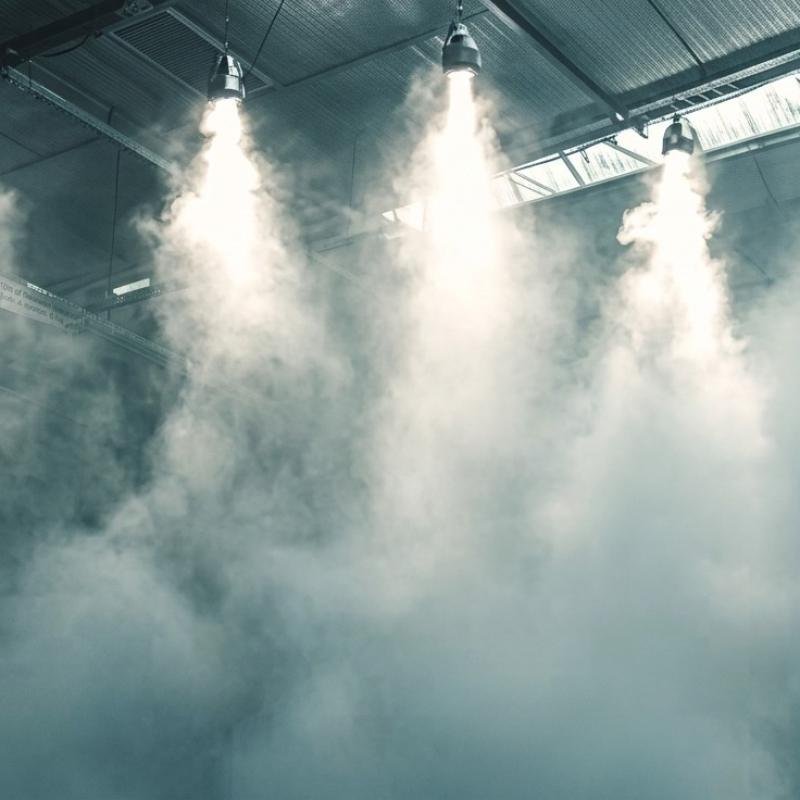
High-pressure water mist networks function by forcing pure water through specialized micro-nozzles at immense pressure, atomizing the fluid stream into sub-100-micron droplets. This fine, cloud-like mist neutralizes thermal hazards through two simultaneous physical mechanisms:
Rapid Thermal Evaporation: Because the microscopic droplets maximize total fluid surface area, they vaporize instantly upon contacting high heat, absorbing immense thermal energy and plunging ambient compartment temperatures.
Localized Oxygen Starvation: As the mist transitions into water vapor, it expands and displaces oxygen exclusively surrounding the seat of the flame, suffocating the fire while leaving breathable ambient oxygen for occupants in the rest of the gallery.
Most importantly, water mist architectures use up to 80% less water than standard commercial sprinklers. The fine mist evaporates seamlessly in the air, leaving no heavy pooling or moisture run-off to compromise delicate oil paintings or degrade ancient documents.
Table: Comparing Standard Sprinklers vs. Water Mist in Cultural Properties
| Performance Metric | Standard Commercial Sprinklers | High-Pressure Water Mist Systems |
|---|---|---|
| Droplet Diameter Geometry | Large droplets (Causes mechanical impact damage to art) | Microscopic (Sub-100 microns, creating a non-invasive mist) |
| Volumetric Fluid Demand | Extremely high (Leads to widespread asset water saturation) | Minimal (Up to 80% reduction; fluid vaporizes cleanly) |
| Primary Extinguishing Action | Surface cooling via localized flooding | Simultaneous flash cooling and localized O2 displacement |
| Post-Discharge Collateral Impact | Severe, often irreversible water damage to exhibits | Negligible; perfectly safe for canvas, textiles, and wood |
Conclusion:
In conclusion, safeguarding historical and cultural assets requires an innovative engineering framework that balances aggressive fire suppression with non-destructive agent delivery. High-pressure water mist stands as the definitive technological choice for 2026, offering robust, rapid-acting fire defense while ensuring vulnerable historical treasures remain perfectly preserved for future generations.